

 CC-BY 4.0
Introduction
Biochar, generally defined as pyrolyzed waste organic material designated for use as a soil amendment (Lehmann & Joseph, 2015), has recently received enormous research attention as a means to enhance carbon sequestration and improve the productivity of managed ecosystems, including forests. An important generalization to emerge on biochar use in managed ecosystems is that plant species vary greatly in their responses to biochar soil amendments. Such differences are evident in essentially all integrative analyses that have considered species-level effects, including meta-analyses of both agricultural crops (Jeffery et al., 2011; Liu et al., 2013; Ye et al., 2020), and trees (Thomas & Gale, 2015; Juno & Ibáñez, 2021). By pooling data across many studies, meta-analyses potentially exaggerate apparent species differences in responses, since these differences will generally be confounded with differences in biochar feedstock and production parameters and dosages, as well as other experimental conditions. Nevertheless, published studies that have considered variability in species responses to the same biochar under the same experimental conditions have also documented high variability in species responses, including studies of early-successional herbaceous species (Gale et al., 2017) and trees (Sovu et al., 2012; Pluchon et al., 2014). Likewise, studies of biochar amendment effects on mixed-species vegetation have generally observed changes in species composition consistent with highly variable species-specific effects (van de Voorde et al., 2014; Bieser & Thomas, 2019; Williams & Thomas, 2023).
N-fixing plants, in particular legumes (family Fabaceae), might be expected to show particularly large increases in performance in response to biochar. During biochar pyrolysis most feedstock N is usually lost, and the remaining N is covalently bound and unavailable (Clough et al., 2013). In addition, biochar tends to strongly bind ammonium in the soil solution (Wang et al., 2015). Thus, biochar-amended soils initially show reduced N availability, though this may change through time as biochar alters N biogeochemical processes and enhances N retention in the system (Nguyen et al., 2017). N fixation is expected to alleviate reductions in the relative supply of N by providing N-fixing species access to the atmospheric N2 pool. In addition, the preponderance of evidence indicates that legumes generally respond to biochar by increasing root nodulation and N fixation (Farhangi-Abriz et al., 2022). This phenotypically plastic response is expected to further enhance the performance of N-fixing legume species in biochar-amended soils. Some studies have also noted large effects of biochar on other developmental patterns in legumes, such as a >100% increase in stem allocation and reduction in root allocation observed in Leucaena leucocephala in response to biochar additions (Thomas et al., 2019). However, pronounced changes in growth form have also been noted in non-legume trees; for example, Sifton et al. (2022) noted increases in the height:diameter ratio in Acer saccharinum in response to biochar.
Prior studies in the context of agriculture and ecological restoration suggest disproportionate responses of legumes to biochar. Large average growth responses in legumes were noted in the earliest biochar meta-analyses. Jeffery et al., (2011) reported that soybean was one of only two crops that, considered individually, showed a positive effect of biochar on crop productivity. Liu et al., (2013), with an increased sample size of studies, found that among major crops, legumes showed an average 30% increase in productivity, compared to 7-11% for major cereal crops; however, at least one recent meta-analysis did not observe greater responses in legume crops (Farhangi-Abriz et al., 2021). Field studies of biochar effects on plant communities have likewise commonly noted disproportionate increases in cover or abundance of legume species (van de Voorde et al., 2014; Bieser & Thomas, 2019; Williams & Thomas, 2023). Studies of species mixtures have also found increases in non-legume species growth in response to the combination of N-fixing legumes plus biochar (Liu et al., 2017; Thomas et al., 2019; Sifton et al., 2022), attributed to inputs of soil N by legumes.
Responses of tropical trees to biochar are of particular importance and interest in several respects. Tropical forests play a major role in the global carbon cycle (Pan et al., 2011); however, most regions of the tropics have been subject to widespread deforestation and forest degradation such that carbon gain in secondary forests is critical to future tropical forest carbon sinks (Heinrich et al., 2023). Forest productivity, and thus the C sink, is often limited by soil nutrient status in degraded tropical landscapes (Powers & Marín-Spiotta, 2017). Biochar can thus potentially aid in forest restoration on degraded tropical soils, provided that trees show strong positive growth responses. Early studies suggested that tropical trees generally show large growth enhancements in response to biochar additions (as reviewed by Thomas and Gale 2015). However, results from recent studies, including field trials, are mixed, with studies providing evidence for both neutral (Gonzalez Sarango et al., 2021) and positive (Ríos Guayasamín et al., 2024) effects on overall growth responses, depending in part on soil conditions. As with other ecological groups, species-specific differences in responses to biochar appear to be the rule in tropical trees (e.g., Sovu et al., 2012; Ghosh et al., 2015; Lefebvre et al., 2019; Ríos Guayasamín et al., 2024). N-fixing legumes are an important component in tropical forests, particularly so in disturbed forests and in seasonal tropical and subtropical forest types (Gei et al., 2018; Tamme et al., 2021); however, studies to date have not addressed whether there is a systematic difference in biochar responses between legumes and non-legumes among tropical trees. Better information on species-specific responses of tropical trees to biochar, as well as potential systematic differences among phylogenetic and ecological groups, is of general importance in the context of tropical forest restoration and enhanced C sequestration.
In the present study, we assessed biochar responses of tropical trees on a representative degraded soil in the Sylhet region of Bangladesh, comparing responses of four legume and four non-legume tree species. We address the following questions: (1) Does biochar enhance overall sapling performance? (2) Do legume species show greater increases in biomass and other measures of plant performance than non-legumes? (3) Are there biochar effects on allometric or morphometric patterns and do legumes differ from non-legume species in this regard? (4) Are there positive effects of biochar on root nodule production in the legume species? (5) How do results compare with those of a meta-analysis of available data on tropical tree responses?
Material and methods
Study site and tree species
The experiment was conducted at the Department of Forestry and Environmental Science, Shahjalal University of Science and Technology, Bangladesh, from May 14 to September 16, 2015. Over this period, monthly mean temperatures ranged from 25°C to 32°C, and average monthly rainfall was 295 mm. A 15-m x 3-m raised bed oriented north-south was established and divided into four blocks to enhance drainage and simplify management. We utilized a completely randomized block design, testing eight species (four leguminous and four non-leguminous tree species: Table 1), and three biochar treatments (Control, 10 t/ha, 20 t/ha). This resulted in 96 plants in total, with each block containing a mix of treatments and species (4 replicates x 3 treatments x 8 species).
Table 1 - Tree species used in this experiment.
|
Scientific name |
Family |
Shade tolerance |
|
Acacia auriculiformis A.Cunn. ex Benth. |
Fabaceae (Mimosoideae) |
intolerant |
|
Acacia mangium Willd. |
Fabaceae (Mimosoideae) |
intolerant |
|
Delonix regia (Boj. ex Hook.) Raf. |
Fabaceae (Caesalpinioideae) |
intolerant |
|
Pterocarpus santalinus L.f. |
Fabaceae (Faboideae) |
intolerant |
|
Eucalyptus alba Reinw. ex Blume |
Myrtaceae |
intolerant |
|
Syzygium cumini (L.) Skeels. |
Myrtaceae |
intermediate |
|
Swietenia macrophylla King. |
Meliaceae |
intermediate |
|
Melia azedarach L. |
Meliaceae |
intolerant |
Seeds of the eight species were sourced from the Bangladesh Forest Department. A hot water treatment was applied to break seed dormancy, and germination occurred in cow-manure-enriched soil within plastic bags. After 45 days, seedlings with similar vigour were transplanted into 3-L pots with a 230 cm² surface area. Biochar-treated pots were filled sequentially with local soil and a 10 cm top layer of biochar-soil mixture (23 g for 10 t/ha and 46 g for 20 t/ha, on a dry mass basis). Incorporation in the upper soil was implemented to simulate surface applications likely in managed forests or restoration applications. No additional fertilization was provided. The biochar dosages used were chosen to be in a range near to somewhat below the optimum of 20-30 t/ha found in dose-response studies (Gale & Thomas, 2019). Biochar was air-dried before mixing with the topsoil layer in each pot. The control group received no biochar, whereas the treatment groups received corresponding biochar quantities. Although it was the monsoon season, during periods of low rainfall an equal amount of deionized/autoclaved water was added to approximate field capacity, a total of two times, to each pot.
Soil
A locally sourced disturbed Dystric Fluvisol sandy loam soil was used in the experiment. Soil samples were collected from each pot following harvest from the uppermost 10 cm, sampled, homogenized, and sieved to <2 mm prior to analysis. The analyses were conducted at the Soil Resource Development Institute (SRDI) in Sylhet, Bangladesh. Soil organic matter (%) was determined by loss-on-ignition using a 6-h combustion time at 600°C in a muffle furnace. Soil pH was determined electrochemically using a 1:2 mixture of soil:deionized water using a pH meter (Kelway MA-78, Kel Instruments, Wycko, NJ, USA). Total N (%) was determined by a semi-micro Kjeldahl method, available P by a Bray-Kurtz I extraction followed by colorimetric analysis, and available K by ammonium acetate extraction followed by flame photometry. Details of soil methods follow Karim et al. (2020). The average (±SE) soil properties were as follows: pH 6.00 ± 0.03, nitrogen content 0.1 ± 0.0%, organic matter content 1.72 ± 0.01%, available phosphorus 59 ± 3 ppm, and potassium 8.8 ± 0.5 ppm, based on three replicates and determined using standard methods.
Biochar
Biochar was produced using a Top-Lit Up-Draft (TLUD) gasifier (Mia et al., 2015) with Samanea saman (Jacq.) Merr. wood chips used as the feedstock. Pyrolysis occurred over 15 hours, with a peak temperature of ~550°C. The resulting biochar had a pH of 8.52 ± 0.02, electrical conductivity (EC) 555 ± 23 dS/m, carbon content 72.07 ± 0.07%, and nitrogen content 1.76 ± 0.014%, averaged from 3 replicate samples (methods follow Karim et al., 2020). Biochar was manually broken into pieces with dimensions < 1 cm (mostly 1-5 mm) prior to soil applications.
Plant measurements
Biweekly measurements of stem height, root collar diameter, leaf count, and leaf length were taken. At harvest, the plants were partitioned into different compartments (main stem, branches, leaves, and roots). Roots were washed with deionized water, nodules were counted (in legume species), and taproot lengths measured. All plant parts were then dried separately at 60°C for at least 48 hours until a constant weight was achieved and weighed to the nearest 0.001 g.
Statistical analysis
Data were analyzed in R (R Core Team, 2024). Initially linear mixed-effects models were implemented using the “lmer” function of the “lme4” package (Bates et al., 2015) and incorporating biochar treatment and species as the main fixed effects, the biochar x species interaction, and random effects of blocks. The random block term was not significant in analyses, so simple two-way ANOVAs with biochar treatment and species as the main effects and the biochar x species interaction term were used. This was followed by one-way ANOVA and Tukey HSD post-hoc tests conducted to compare treatment effects within each species. Agreement with parametric statistical assumptions was assessed using diagnostic plots in conjunction with the Shapiro-Wilk test for normality of residuals and the Levene’s test for homogeneity of variance. Total biomass and that of components (root, leaf, and stem) biomass were right-skewed, so these data were log-transformed prior to analysis. In other cases deviations from assumptions were minor and data transformations were not used. Marginal effects were calculated using the “emmeans” function (Lenth et al., 2021).
To test for treatment effects on height-diameter relationships, we used linear mixed effects models to account for repeated measurements on individual saplings, and assumed linear allometric patterns of the form H = aDb, which are generally found for early growth patterns in tropical trees (Thomas, 1996). Log-transformed height was modeled as a function of log-transformed root collar diameter, species, treatment, and the species x treatment interaction (all fixed effects), and a random individual sapling term. A similar analysis was conducted to determine the relationships between branch number and stem diameter.
Meta-analysis
A meta-analysis of published literature on responses of tropical and sub-tropical trees to biochar was conducted to better assess the generality of findings. Prior meta-analyses of tree responses to biochar (Thomas and Gale, 2015; Juno and Ibáñez, 2021) were used as a starting point. Literature was searched using both ISI Web of Knowledge and Google Scholar, with a cutoff date of June 2024. ISI Web of Knowledge used explicit Boolean operators, while Google Scholar searches used proprietary search algorithms with combinations of 4-5 search terms, and a cutoff of 100 articles scanned per combination. In the case of searches related to post-treatment effects, search terms included descriptions for the set of terms in potential use to describe biochar (including “biochar”, “black carbon”, “char”, “charcoal”, “hydrochar”), in conjunction with (“tropic*” or ”sub-tropic*” plus “tree” or “seedling” or “sapling”). Titles and abstracts were scanned for articles that would plausibly present original data on plant growth responses, and tables and figures of those articles were searched for usable data. Articles presenting usable data were themselves read for citations to related articles with potentially usable data. The following additional criteria were used to screen studies: (1) studies examining seed germination or the earliest phases of seedling growth were excluded; (2) species locations or species ranges were located between 25°N and S latitudes. Data from extra-tropical greenhouse studies on tropical and sub-tropical species were also included. The systematic data search located 384 publications, and the overall process (including citation searches) finally yielded a total of 50 publications presenting data useable for meta-analysis.
The response ratio (\(R = \ln(\frac{X_{t}}{X_{c}}))\) was used as an effect size statistic, where R is the response ratio statistic, Xt is the treatment mean and Xc is the control mean of the responses; pooled R values were inversely weighted by sampling variance. Many studies included cases where multiple biochar treatments (typically different dosages or biochar types) were compared to a single control. Multi-level random effects models were used to account for non-independence within and among studies using the “rma.mv” function in the “metafor” package in R (Viechtbauer, 2010), with a within-study random effect specifying groups of treatments sharing a control, and a between-study random effect accounting for random effects of individual studies (Nakagawa et al., 2023). Models were fitted with restricted maximum likelihood. Data were extracted from tables (or original data) where possible; graphical data were digitized using WebPlotDigitizer (Rohatgi, 2019). Total biomass responses were used as the growth metric where available. Alternative growth measures used included aboveground biomass and the product of tree height and the square of stem diameter, both of which generally scale linearly with total biomass (Kohyama & Hotta, 1990; Deb et al., 2012). In cases where means were presented without error values, standard deviations were imputed from the observed average coefficient of variation observed across studies (Lajeunesse et al., 2013): \(SD = mean\ \times \ {CV}_{average}.\ \)To express response ratios as a percent change, the metric was back-transformed: i.e., percent change = 100 × (exp(R) − 1). Analyses used the metafor package (Viechtbauer, 2010). A similar internal meta-analysis was used to test for differences in legume vs. non-legume growth responses (and biochar dosages) based on data from the present study.
Results
Soil responses
Biochar additions resulted in variable effects on soil pH, with both notable increases and decreases that depended on the tree species (Figure 1a). Both the species (F7,72 = 13.3; p < 0.001) and species x treatment interaction (F14,72 = 6.2; p < 0.001) terms were statistically significant (Table 2). Species showing significant increases in soil pH with biochar additions included S. macrophylla and M. azedarach; those showing reduced pH in response to biochar additions included A. mangium, D. regia, and S. cumini (Figure 1a). Although these treatment effects were pronounced, in all cases pH values ranged from ~6.0 – 6.9 and were thus generally in a near-optimal range.
Table 2 - ANOVA results for soil parameters measured at the end of four-month experimental period. P-values < 0.05 are listed in bold.
|
ANOVA term |
d.f. |
SS |
MS |
F |
p-value |
|
pH |
|||||
|
Biochar |
2 |
0.0718 |
0.0359 |
1.392 |
0.2553 |
|
Species |
7 |
2.3986 |
0.3427 |
13.288 |
<0.0001 |
|
Biochar x species |
14 |
2.2396 |
0.1500 |
6.204 |
<0.0001 |
|
Residuals |
72 |
1.8567 |
0.0258 |
||
|
Organic matter |
|||||
|
Biochar |
2 |
0.0683 |
0.0341 |
0.222 |
0.8012 |
|
Species |
7 |
23.7921 |
3.3989 |
22.140 |
<0.0001 |
|
Biochar x species |
14 |
5.8741 |
0.4196 |
2.733 |
0.0028 |
|
Residuals |
72 |
11.0530 |
0.1535 |
||
|
Total N |
|||||
|
Biochar |
2 |
0.0001 |
0.0001 |
0.130 |
0.8784 |
|
Species |
7 |
0.0771 |
0.0110 |
20.478 |
<0.0001 |
|
Biochar x species |
14 |
0.0197 |
0.0014 |
2.617 |
0.0028 |
|
Residuals |
72 |
0.0387 |
0.0005 |
||
|
Available P |
|||||
|
Biochar |
2 |
129.37 |
64.684 |
7.042 |
0.0016 |
|
Species |
7 |
327.91 |
46.844 |
5.100 |
<0.0001 |
|
Biochar x species |
14 |
820.46 |
58.605 |
6.380 |
<0.0001 |
|
Residuals |
72 |
661.39 |
9.186 |
||
|
Available K |
|||||
|
Biochar |
2 |
0.0575 |
0.0288 |
15.108 |
<0.0001 |
|
Species |
7 |
0.1194 |
0.0171 |
8.963 |
<0.0001 |
|
Biochar x species |
14 |
0.0714 |
0.0051 |
2.678 |
0.0033 |
|
Residuals |
72 |
0.1370 |
0.0019 |
Treatment effects on soil OM likewise varied among species, with the ANOVA having significant species (F7,72 = 22.1; p < 0.001) and species x treatment interaction (F14,72 = 2.7; p = 0.003) terms (Table 2). Although most species showed a trend toward increased soil OM with biochar additions, E. alba showed a significant decrease (Figure 1b).

Figure 1 - Responses of (a) soil pH, and (b) soil organic matter to biochar addition treatments by species, based on measurements conducted at the end of four-month experimental period. Means are plotted ± 1 SE; dashed lines indicate pre-treatment values. In both cases two-way ANOVA indicates a significant species x biochar treatment interaction (p < 0.001). Separation of means by post-hoc Tukey HSD comparisons (p < 0.05) within each species are indicated by letters.
Biochar effects on macronutrient availability showed pronounced differences among tree species, with a significant species x treatment interaction term for N, P, and K (Table 2). Legume species mostly did not enhance the N status of soils above pre-treatment levels, except for A. auriculiformis in biochar-amended soils (Figure 2a). There were also significant species differences in biochar effects on P and K availability. Biochar additions reduced P availability in P. santalinus, M. azedarach, and S. cumini, but increased P in S. macrophylla (Figure 2b). Biochar additions also reduced K availability in D. regia and M. azedarach (Figure 2c). These species-specific soil nutrient patterns did not have any obvious correspondence with species-specific growth responses to biochar (Figure 3).

Figure 2 - Responses of (a) total soil nitrogen, (b) available phosphorus, and (c) available K, to biochar addition treatments by species, based on measurements at the end of four-month experimental period. Means are plotted ± 1 SE; dashed lines indicate pre-treatment values. (Pre-treatment K values are not shown, as these were considerably higher than post-treatment values). In all three cases two-way ANOVA indicates a significant species x biochar treatment interactions (p < 0.01). Separation of means by post-hoc Tukey HSD comparisons (p < 0.05) within each species are indicated by letters.
Sapling growth responses
Biochar additions resulted in strongly enhanced tree growth overall. ANOVA results indicated a significant mean effect term for biochar treatment effects on total biomass (F2,72 = 5.1; p = 0.009), stem mass (F2,72 = 8.0; p < 0.001), total aboveground biomass (F2,72 = 4.9; p = 0.010), and root mass (F2,72 = 4.5; p = 0.014), but not leaf mass (F2,72 = 1.8; p = 0.174) (Figure 3; Table 3). Species differences were also significant, but there were no significant treatment x species interactions (Table 3). Tree height and diameter at harvest also showed commensurate positive responses to biochar treatments (Table 3). The overall mean marginal responses were +30% for total biomass (+46% for 10 t/ha; +16% for 20 t/ha), +43% for stem mass (+62% for 10 t/ha; +26% for 20 t/ha), +17% for root mass (+36% for 10 t/ha; +1% for 20 t/ha), and +24% for leaf mass (+47% for 10 t/ha; +5% for 20 t/ha). No mortality was observed.
Species with notably large responses to biochar additions included both Acacia species (with a >80% increase in total biomass for at least one dosage) and Swietenia macrophylla (with a 60% increase in the 20 t/ha treatment). Total biomass means by species were larger than controls in all cases at 10 t/ha, and in 6 of 8 cases at 20 t/ha (Figure 3a). Responses for leaf, stem, and root mass largely mirrored those of total biomass (Figure 3).

Figure 3 - Responses of sapling biomass and biomass components, including (a) total biomass, (b) leaf mass, (c) stem mass, and (d) root mass, to biochar treatments, based on measurements at the end of four-month experimental period. Means are plotted ± 1 SE. Two-way ANOVAs (Table 3) indicate significant biochar treatment effects for total, stem, and root mass (p < 0.05). Separation of means by post-hoc Tukey HSD comparisons (p < 0.05) within each species are indicated by letters.
Table 3 - ANOVA results for sapling growth parameters measured at the end of four-month experimental period. P-values < 0.05 are listed in bold.
|
ANOVA term |
d.f. |
SS |
MS |
F |
p-value |
|
Total dry mass |
|||||
|
Biochar |
2 |
0.4393 |
0.2196 |
5.068 |
0.0087 |
|
Species |
7 |
21.9754 |
3.1394 |
72.442 |
<0.0001 |
|
Biochar x species |
14 |
0.7628 |
0.0545 |
1.257 |
0.2555 |
|
Residuals |
72 |
3.1202 |
0.0433 |
||
|
Aboveground dry mass |
|||||
|
Biochar |
2 |
0.4922 |
0.2461 |
4.867 |
0.0104 |
|
Species |
7 |
26.1780 |
3.7397 |
73.959 |
<0.0001 |
|
Biochar x species |
14 |
0.8799 |
0.0628 |
1.243 |
0.2649 |
|
Residuals |
72 |
3.6407 |
0.0506 |
||
|
Stem dry mass |
|||||
|
Biochar |
2 |
0.7051 |
0.3526 |
7.992 |
0.0007 |
|
Species |
7 |
23.0158 |
3.288 |
74.530 |
<0.0001 |
|
Biochar x species |
14 |
0.8018 |
0.0573 |
1.298 |
0.2301 |
|
Residuals |
72 |
3.1764 |
0.0441 |
||
|
Leaf dry mass |
|||||
|
Biochar |
2 |
0.542 |
0.2709 |
1.791 |
0.1741 |
|
Species |
7 |
37.698 |
5.3855 |
35.612 |
<0.0001 |
|
Biochar x species |
14 |
2.830 |
0.2021 |
1.337 |
0.2081 |
|
Residuals |
72 |
10.888 |
0.1512 |
||
|
Root dry mass |
|||||
|
Biochar |
2 |
0.3771 |
0.1886 |
4.547 |
0.0138 |
|
Species |
7 |
15.0414 |
2.1488 |
51.815 |
<0.0001 |
|
Biochar x species |
14 |
0.7553 |
0.0540 |
1.301 |
0.2285 |
|
Residuals |
72 |
2.9858 |
0.0415 |
||
|
Stem diameter |
|||||
|
Biochar |
2 |
34.84 |
17.418 |
5.086 |
0.0086 |
|
Species |
7 |
1084.33 |
154.904 |
45.228 |
<0.0001 |
|
Biochar x species |
14 |
40.41 |
2.886 |
0.843 |
0.6217 |
|
Residuals |
72 |
246.60 |
3.425 |
||
|
Height |
|||||
|
Biochar |
2 |
4442 |
2221 |
8.684 |
0.0004 |
|
Species |
7 |
104979 |
14997 |
58.644 |
<0.0001 |
|
Biochar x species |
14 |
4447 |
318 |
1.242 |
0.2655 |
|
Residuals |
72 |
18413 |
256 |
||
|
Root length |
|||||
|
Biochar |
2 |
0.0550 |
0.0275 |
0.941 |
0.3949 |
|
Species |
7 |
1.3057 |
0.1865 |
6.382 |
<0.0001 |
|
Biochar x species |
14 |
0.2066 |
0.0148 |
0.505 |
0.9229 |
|
Residuals |
72 |
2.1045 |
0.0292 |
Morphometric and allocation responses
No significant effects of biochar treatments on biomass fractions (i.e., root fraction, leaf fraction, or stem fraction as a proportion of total biomass) were detected on the basis of two-way ANOVAs (Table 4). Root mass per length also did not show a significant treatment effect (Table 4). In all cases there were pronounced differences among species (p < 0.001; Table 4).
Significant biochar treatments effects were found on height-diameter allometric patterns: the linear mixed effects model predicting log(height) had significant terms for log(diameter) (F1,790 = 2490.5; p < 0.001), species (F2,76 = 110.4; p < 0.001), and biochar treatment (F7, 76 = 10.6; p < 0.001), but no significant species x treatment interaction (F14, 76 = 1.0; p = 0.498); the random effects term for individual was also significant (p < 0.001). In general, biochar-treated saplings showed increased height values at a given root collar diameter, a pattern most apparent in D. regia (p < 0.01) and S. macrophylla (p < 0.05) (Figure 4), with similar trends approaching significance in other species. Based on the fitted model parameters, saplings showed an average increase of 11.1% in height at a given diameter in the 10 t/ha treatment, and a 14.4% increase in the 20 t/ha treatment.
A similar analysis examined potential effects on branch production (i.e., based on log branch number + 1 vs. root collar diameter), but no significant effects were observed (data not shown).

Figure 4 - Allometric relationships between sapling height and diameter and their response to biochar treatments. Biochar effects on relationships based on a species-pooled linear mixed model analysis are significant (p < 0.001). Linear regressions for log-transformed variates are shown.
Table 4 - ANOVA results for sapling allocation parameters and root nodulation (in legume species) measured at the end of four-month experimental period. P-values < 0.05 are listed in bold.
|
ANOVA term |
d.f. |
SS |
MS |
F |
p-value |
|
Leaf mass fraction |
|||||
|
Biochar |
2 |
0.0062 |
0.0031 |
0.370 |
0.6923 |
|
Species |
7 |
1.1612 |
0.1659 |
19.692 |
<0.0001 |
|
Biochar x species |
14 |
0.0718 |
0.0051 |
0.609 |
0.8493 |
|
Residuals |
72 |
0.6065 |
0.0084 |
||
|
Stem mass fraction |
|||||
|
Biochar |
2 |
0.0119 |
0.0059 |
1.494 |
0.2313 |
|
Species |
7 |
0.1579 |
0.0226 |
5.688 |
<0.0001 |
|
Biochar x species |
14 |
0.0334 |
0.0024 |
0.602 |
0.8546 |
|
Residuals |
72 |
0.2856 |
0.0040 |
||
|
Root mass fraction |
|||||
|
Biochar |
2 |
0.0183 |
0.0091 |
2.431 |
0.0951 |
|
Species |
7 |
0.8218 |
0.1174 |
31.269 |
<0.0001 |
|
Biochar x species |
14 |
0.0562 |
0.0040 |
1.069 |
0.3995 |
|
Residuals |
72 |
0.2703 |
0.0038 |
||
|
Number of root nodules |
|||||
|
Biochar |
2 |
13215 |
6607 |
12.390 |
<0.0001 |
|
Species |
3 |
265021 |
88340 |
165.651 |
<0.0001 |
|
Biochar x species |
6 |
6590 |
1098 |
2.060 |
0.0827 |
|
Residuals |
36 |
19198 |
533 |
||
|
Nodules per g root mass |
|||||
|
Biochar |
2 |
294.4 |
147.2 |
1.377 |
0.2652 |
|
Species |
3 |
6648.1 |
2216.0 |
20.737 |
<0.0001 |
|
Biochar x species |
6 |
277.1 |
46.2 |
0.432 |
0.8525 |
|
Residuals |
36 |
3847.1 |
106.9 |
Root nodulation responses in legumes
Biochar additions resulted in increased root nodule production in the four legume species (Table 4; Figure 5a): the main treatment effect was significant (F2,36 = 12.4; p < 0.001), but not the species x treatment interaction (F6,36 = 2.1; p = 0.0827). Responses were most pronounced in the two Acacia species, which also showed the greatest nodule production (Figure 5). Biochar treatments did not significantly affect the nodulation rate expressed as nodules per g of root tissue (F2,36 = 1.4; p = 0.2652), though the 20 t/ha treatment numerically showed the highest value for three of the four legume species (Figure 5b). By both metrics nodule production was much greater in the two Acacia species than in the other taxa (Figure 5).

Figure 5 - Responses of root nodule production to biochar addtions, expressed as (a) total number of nodules per sapling, (b) nodule number per g root mass. The species-pooled ANOVA indicates a significant biochar main effect for number of nodules. Separation of means by post-hoc Tukey HSD comparisons (p < 0.05) within each species are indicated by letters.
Meta-analyses
Considering only results from the present study, the overall value of the log response ratio R for total biomass is 0.272 ±0.076 (±SE), corresponding to an average 31.3% increase (Z = 3.6; p < 0.001). Values for the two treatment dosages are 0.315 ±0.092 for 10 t/ha (Z = 3.6; p < 0.001) and 0.205 ±0.138 for 20 t/ha (Z = 1.5; p = 0.137). The pooled value for R for total biomass considering legume species is 0.317±0.110 (+37.3%: Z = 2.9; p = 0.004) vs. 0.263 ±0.083 (+30.1%: Z = 3.2; p = 0.002) for non-legumes. Including biochar dosages and legumes vs. non-legumes in the meta-analysis model as moderating factors did not indicate a significant effect of either dosage (Z = 0.724; p = 0.469) or taxonomic status as a legume (Z = 0.640; p = 0.522).
In the broader meta-analysis including prior published studies on tropical and sub-tropical trees, we located a total of 51 publications (Appendix Figure A2; Table A2) presenting useable data that totalled 262 comparisons between control and biochar-amended soils, with 66 comparisons available for legumes (of 23 species in 19 genera) and 173 for non-legume hardwoods (of 37 species in 34 genera including palms), and 21 comparisons for conifers (of 4 species in 3 genera). Averages of reported values for biochar parameters were a peak pyrolysis temperature of 478°C (±78°C SD), pH 8.2 (±1.1), and total C 62% (±17%); these values did not differ significantly among groups (using linear mixed effects models with study included as a random effect). Groups other than conifers show a significant mean increase in biomass in biochar-amended treatments compared to controls: legumes +50.4% (Z = 3.816; p < 0.001), non-legume angiosperms +43.0% (Z = 3.759; p < 0.001), conifers +12.3% (Z = 1.694; p = 0.090), as does the pooled data (+39.3%: Z = 4.600; p < 0.001). Although the mean biomass response is numerically lower in conifers and higher in legumes than the other groups, the inclusion of taxonomic category as a moderator falls short of statistical significance (Q = 1.057; p = 0.589). In all analyses, there was significant residual heterogeneity (Q-tests: p < 0.001). Alternative analyses excluding conifers, excluding data from the present study, excluding data from additions of traditional mound charcoal all yielded similar results (Appendix Table A1).

Figure 6 - Meta-analysis of biomass responses of tropical and subtropical trees to biochar amendments, based on 38 publications presenting data for 56 tree species. Mean response ratios are plotted ±95% confidence limits, with back-transformed mean responses given with statistical comparisons to zero response: *** p < 0.001.
Discussion
Patterns in growth responses
Overall, biochar amendments had substantial positive effects on sapling growth in the present study, with a mean biomass increase of 30%. This is generally consistent with meta-analysis results suggesting relatively large growth responses to biochar in tropical trees (Figure 6; Thomas & Gale, 2015) as is also the case in tropical agricultural systems (Jeffery et al., 2017), though the responses observed are less than those found in some prior studies (e.g., Sovu et al., 2012; Kayama et al., 2022; Sujeeun & Thomas, 2022). As predicted, the average biomass response observed for legumes was greater than in other species (+37% vs. +30%); however, this difference was not statistically significant. The literature-based meta-analysis gives a much broader representation of species and greater statistical power. This analysis is also consistent with higher biomass responses in legumes (mean +50%) compared to non-legume hardwood species (mean +43%) (Figure 5), both of which are considerably higher than the mean response for tropical and sub-tropical conifers (mean +12%). However, these statistical comparisons also fall well short of significance due to high variability in responses and relatively low sample sizes in most studies (including the present one).
While the results are suggestive of a generally greater growth response to biochar additions in legumes, there is high variation in responses within groups that obscures any general patterns. Whence this high variability? In some cases very large growth responses reported in the literature are related to exceptional soil conditions. For example, the largest growth responses in the meta-analysis reported here are for native species in the Indian Ocean island of Mauritius in the context of soil impacted by allelopathic strawberry guava (Psidium cattleyanum); in this case Tambourissa peltata (Monimiaceae) and Pittosporum senacia (Pittosporaceae) both showed >40-fold increases in allometric biomass estimates in response to biochar additions (Sujeeun & Thomas, 2022). These exceptional responses are consistent with observations that biochars sorb a wide range of allelochemicals and may also enhance their breakdown, such that biochar additions can completely “rescue” plants suppressed by allelochemicals (Sujeeun & Thomas, 2023). Such a mechanism is obviously not directly related to plant mineral nutrition, and so is not expected to show any systematic relationship with N-fixation. Similarly, large positive effects of biochar on plant performance on contaminated soils can be related to biochar sorption of anthropogenic organic soil contaminants (Ni et al., 2020), potentially toxic elements (Rizwan et al., 2016), and sodium salts (Thomas et al., 2013).
Regarding the meta-analysis, its sample size and scope were strongly limited by data reporting practices in the peer-reviewed literature. Many relevant studies did not present means, sample sizes, and/or standard deviations (or data necessary to calculate these) for tree aboveground or total biomass, even in graphical form. This includes numerous examples of recent publications that present “box and whisker” plots that present only medians and inter-quartile plus total data ranges from which it is not possible to calculate means or standard deviations. We were able to compensate for this to some extent by using d2h as a proxy for biomass (Kohyama & Hotta, 1990; Deb et al., 2012) and by using imputed standard deviations (Lajeunesse et al., 2013) for ~36% of the comparisons. As is a common refrain in the meta-analysis literature, we implore authors to directly publish data or present data in a form that can be used in meta-analyses in future publications. Increased sample sizes within treatments would also aid in detecting patterns: it is notable that the modal sample size found across studies was only N = 3 and median N = 4. There is also a preponderance of pot trials, with only a few multi-year field studies published to date (Table A2).
Mechanism and variable responses within groups
In cases where the mechanism for biochar growth stimulation is mainly related to plant mineral nutrition, the basis for predicting greater growth responses in legumes is their capacity for N-fixation. However, it is important to note that root symbiotic N-fixation exists in tropical woody species outside of the Fabaceae, with rhizobial associations in the angiosperm families Cannabaceae and Zygophyllaceae, cyanobacterial associations in Cycads, and actinorhizal associations in at least some species of the Casuarinaceae, Coriariacea, Elaeagnaceae, Myricaceae, Rhamnaceae, and Rosaceae (Dryadeae tribe) (Tedersoo et al., 2018). We are aware, however, of only one relevant study of a known tropical woody N-fixer that is not a legume: namely, a study of a Casuarina species (Mwadalu et al., 2020); in this case, biochar additions alone did not have a positive effect on tree growth. Also, while we confirmed nodulation in the species considered here (Figure 5), some legumes do not form root nodules (Tedersoo et al., 2018), and the level of root nodulation may not directly correlate with N-fixation (e.g., Quilliam et al., 2013). It is notable that Acacia mangium and A. auriculiformis, which here showed the largest growth responses to biochar, are both species associated with frequent fire that exhibit putative fire adaptations such as extended seed dormancy and heat-triggered seed germination (Boland et al., 1990; Hegde et al., 2013).
It is generally expected that biochar additions will increase soil pH through a liming effect (Gezahegn et al., 2019) with the potential to increase bioavailability of most nutrients on acidic soils while reducing that of aluminum (Hale et al., 2020, Ríos Guayasamín et al., 2024). Here we found that the species effect on soil pH was more pronounced than that of biochar, and also that biochar effects on soil pH varied in both direction and magnitude depending on tree species. There were similar pronounced species x biochar treatment effects on other soil variables examined, including organic matter, and measures of soil N, P, and K (Figure 1-2; Table 2). Prior studies that have examined responses of multiple species to biochar (e.g., Sovu et al., 2012; Pluchon et al., 2014; Gale et al., 2017; Lefebvre et al., 2019) have not generally considered possible species effects on soil parameters, nor how such effects might be modified by biochar. Mechanisms by which trees can alter soil pH include production of litter or root exudates high in organic acids, stimulation of mineral weathering and oxidation, and ion uptake, in particular of base cations (Alban, 1982; Finzi et al., 1998). In the present short-term experiment, production of root exudates and other forms of rhizodeposition are the most likely mechanism for effects (e.g., Uselman et al. 2000). Swietenia macrophylla in combination with biochar stands out as having the largest positive effects on soil pH and available P (Figure 1). Such interactive effects of biochar and species on soils are an important area for further work in the context of tropical forest restoration and agroforestry. N-fixation may potentially enhance soil N status, and there is some evidence that biochar enhances this effect and can thus enhance overall soil productivity (e.g., Thomas et al., 2019). In the present study, the only species that plausibly showed this pattern was Acacia auriculiformis (Figure 2a).
Effects on tree growth form
In addition to the stimulatory effects of biochar on tree growth, we also found systematic effects on tree growth form and allometry, with an average 11-14% increase in height extension growth at a given stem diameter (Figure 4). There was no evidence, however, that this response varied among species or was systematically different between legumes and non-legumes. A similar pattern of biochar additions resulting in increased stem elongation relative to diameter has been noted in a few prior studies (Chen et al., 2021; Sifton et al., 2023); including one nursery study of the tropical tree Bertholletia excelsa (Damaceno et al., 2019). Freshly produced biochar can release the plant hormone ethylene (Spokas et al., 2010), but ethylene exposure would generally be expected to result in changes in plant morphology similar to thigmomorphogenesis: i.e., reduced stem elongation and increased leaf thickness. Such a response has been noted in a greenhouse study of Leuceana leucocephala (Thomas et al., 2019); however, increased stem elongation relative to diameter seems to be the prevailing response to biochar. Increases in height:diameter ratios of plants in response to mineral nutrient fertilization have been widely observed, primarily in relation to N (Thornley, 1999), but also other nutrients such as P (e.g., Brondani et al., 2008). The physiological mechanism by which increased nutrient levels elicit increased allocation to stem elongation is not well resolved, but the response is thought to be functionally related to enhancing the competitive status of plants under high-nutrient conditions (Thornley, 1999). Allometric shifts induced by biochar should receive more research attention and should optimally be incorporated in estimates of biomass and carbon sequestration.
Conclusion
While this study did not conclusively show that N-fixing leguminous tropical trees respond more strongly to biochar than other species, it reinforces evidence that biochar amendments enhance plant growth and physiological performance in managed ecosystems (Joseph et al., 2021), ranging from conventional agriculture (Schmidt et al., 2021), to forestry (Thomas & Gale, 2015) to urban green infrastructure (Liao et al., 2023). In spite of this vast body of work, one still finds statements in the recent literature to the effect that “biochar seems to have little to no effect on crop yields” (Desjardins et al. 2024, p.12). Of course, it is possible to cite examples of individual studies that find no effect, but the same can be said of virtually any soil amendment or agricultural or silvicultural intervention. The importance of broader survey studies and meta-analyses is highlighted by the considerable variability in responses of tropical trees to biochar, and the multiple mechanisms involved in governing these responses.
It would ultimately be desirable to develop an empirically based decision support tool for use in applied forestry, agroforestry, and forest restoration applications, along the lines of tools being implemented in the context of temperate-zone agriculture (e.g., Latawiec et al., 2017; Phillips et al., 2020). Given the disproportionate importance of tropical forests in global carbon processes and climate feedbacks (Pan et al., 2011; Mitchard, 2018), and the potential for biochar to contribute to global net carbon sinks (Lehmann et al., 2021), development of guidelines for biochar use in tropical forest restoration and plantation forestry should be a global research priority. Well-documented empirical support for the relative benefits of biochar for specific tree species under specific soil conditions is essential in this regard. The present study makes clear that the available empirical data is far from sufficient for tropical trees, in spite of the proliferation of publications in this area. In particular, there is a need for field studies of tree growth responses to biochar on the prevailing low-nutrient status soils of the humid tropics: i.e., Ultisols and Oxisols. There is also an urgent need for additional long-term trials on large trees, as our meta-analysis revealed only four studies of at least 3 years in duration (Table A2). The diversity of tropical trees represents a challenge, but priority should be given to trees of global silvicultural importance (Evans & Turnbull, 2004), such as Acacia auriculiformis, A. mangium, and Swietenia macrophylla, which stand out in the present study as having exceptionally high growth responses to biochar. More broadly, only ~1000 tree species make up ~50% of the stems in tropical forests globally (Cooper et al., 2024). Quantifying biochar responses of a majority of these key species in the global carbon cycle is a realistic objective.
Appendices

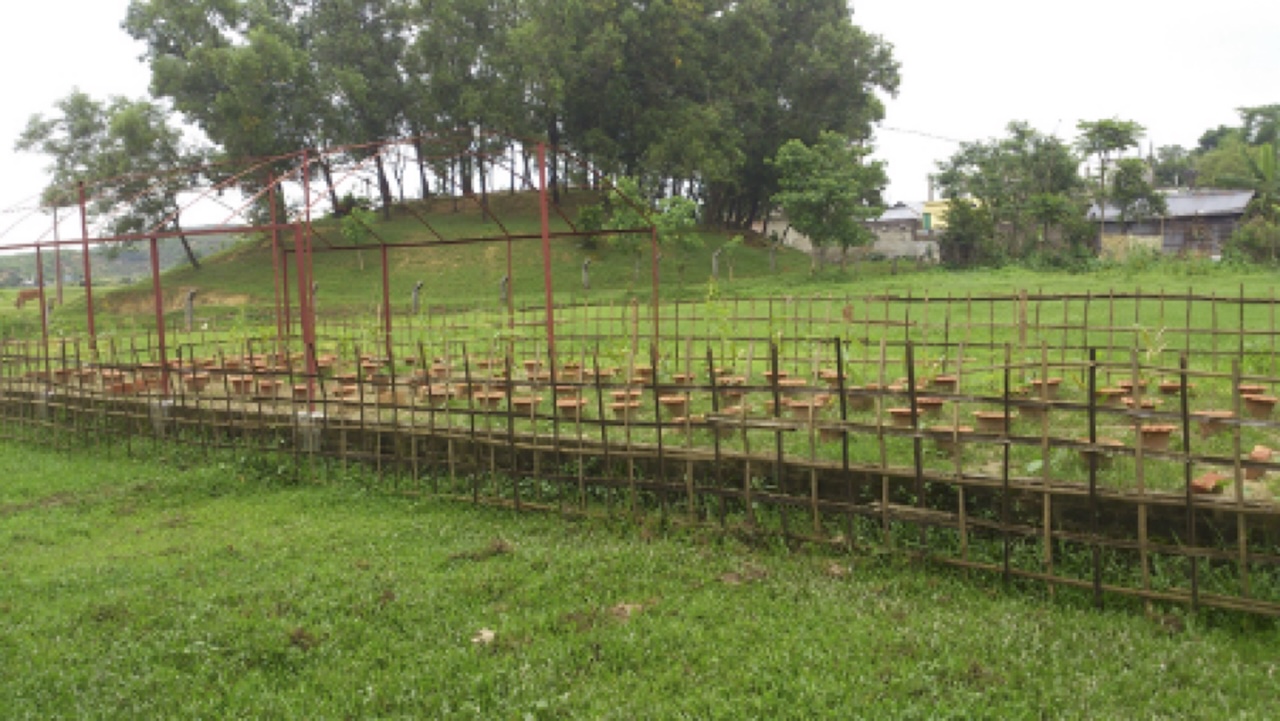
Figure A1 -Photo of the experimental study.

Figure A2 - PRISMA diagram for meta-analysis.
Table A1 - Alternative meta-analysis tests for variation in biochar effects among species groups of tropical and subtropical trees (conifers, legumes, and other hardwoods).
|
Data subset |
Q |
N |
p-value |
|
All data |
1.0574 |
262 |
0.5894 |
|
Excluding conifers |
0.0135 |
239 |
0.9076 |
|
Excluding current study |
1.2380 |
246 |
0.5385 |
|
Excluding traditional mound biochar |
2.0056 |
204 |
0.3669 |
|
Excluding studies with imputed errors |
2.6796 |
167 |
0.2619 |
Table A2 - Data sources for literature-based meta-analysis. “Pot” studies include both greenhouse and open-air studies conducted with plants grown in containers.
|
Reference |
Location |
Study type |
No. species |
Duration (mo.) |
|
Zambia |
pot |
2 |
7 |
|
|
Indonesia |
pot |
2 |
6 |
|
|
Laos |
field |
8 |
48 |
|
|
Indonesia |
pot |
1 |
4 |
|
|
Nigeria |
pot |
1 |
3 |
|
|
Nigeria |
pot |
1 |
3 |
|
|
Singapore |
field |
2 |
6 |
|
|
Brazil |
pot |
1 |
4 |
|
|
Australia |
pot |
1 |
6 |
|
|
Brazil |
field |
2 |
49 |
|
|
Thailand |
pot |
1 |
12 |
|
|
Indonesia |
pot |
2 |
3 |
|
|
Brazil |
pot |
2 |
3 |
|
|
China |
field |
1 |
12 |
|
|
Malaysia |
pot |
1 |
7 |
|
|
Indonesia |
pot |
1 |
3 |
|
|
China |
pot |
1 |
3 |
|
|
China |
pot |
2 |
7 |
|
|
Ethiopia |
field |
2 |
11 |
|
|
Malaysia |
field |
1 |
12 |
|
|
Canada |
pot |
1 |
4 |
|
|
Ghana |
pot |
1 |
2 |
|
|
China |
pot |
1 |
8 |
|
|
India |
field |
1 |
1 |
|
|
Kenya |
field |
1 |
6 |
|
|
China |
pot |
1 |
12 |
|
|
Nigeria |
pot |
1 |
6 |
|
|
China |
pot |
1 |
5 |
|
|
Brazil |
field |
1 |
24 |
|
|
Ecuador |
field |
2 |
51 |
|
|
Ethiopia |
field |
2 |
14 |
|
|
Kenya |
field |
1 |
12 |
|
|
China |
pot |
1 |
16 |
|
|
Malaysia |
pot |
1 |
6 |
|
|
Malaysia |
pot |
1 |
9 |
|
|
Indonesia |
field |
1 |
8 |
|
|
Pakistan |
pot |
3 |
6 |
|
|
Pakistan |
pot |
1 |
6 |
|
|
Pakistan |
pot |
3 |
5 |
|
|
Malaysia |
pot |
1 |
15 |
|
|
Thailand |
field |
1 |
16 |
|
|
Indonesia |
field |
1 |
8 |
|
|
Mauritius |
field |
4 |
30 |
|
|
Indonesia |
field |
1 |
6 |
|
|
China |
pot |
1 |
14 |
|
|
Ethiopia |
field |
1 |
24 |
|
|
China |
pot |
1 |
11 |
|
|
Ecuador |
field |
2 |
36 |
|
|
China |
pot |
1 |
6 |
|
|
Malaysia |
pot |
1 |
8 |
|
|
This study |
Bangladesh |
pot |
8 |
4 |
Acknowledgements
We acknowledge the logistical support from the Department of Forestry and Environmental Science, Shahjalal University of Science and Technology (SUST), Bangladesh. We are also grateful to Dr. Narayan Saha for his assistance and insights during experiment setup and data collection. We thank Rupon Kumar Nath, Muhammad Ramzan Ali, Sanjoy Bhattacharjee, Halimur Rashid Mannaf, and Tasnima Mukit Riha for help in data collection; nursery assistant Sanatan for support throughout the project; and Rouf Miah of the Bangladesh Forest Department, Sheikhghat, Sylhet, for providing seeds and for guidance with seed germination. Preprint version 2 of this article has been peer-reviewed and recommended by Peer Community In Forest and Wood Sciences (https://doi.org/10.1101/2025.02.19.639164; Augusto, 2025).
Funding
The study was funded in part by grants from the Natural Sciences and Engineering Research Council of Canada.
Conflict of interest disclosure
The authors declare that they comply with the PCI rule of having no financial conflicts of interest in relation to the content of the article.
Data, scripts, code, and supplementary information availability
Orginal data and code used in statistical analyses are available online in (Thomas, 2025; https://doi.org/10.5683/SP3/VSRR43).