

 CC-BY 4.0
Introduction
High levels of sedentary behaviour (SB) are detrimental to health. While the field of SB research and the conceptualisation of SB as distinct from a lack of physical activity (PA) are relatively recent developments, research interest in SB has also increased rapidly in the last two decades (Tremblay et al., 2017; Memon et al., 2021). The term SB refers to any waking behaviour using low levels of energy – ≤1.5 metabolic equivalents (METs) – while in a sitting, reclining, or lying posture, which can include activities such as using a computer, watching a TV, and sitting while commuting (Mansoubi et al., 2015; Tremblay et al., 2017). High levels of sedentary time specifically is associated in adults with increased risk of cardiovascular disease incidence and mortality (Patterson et al., 2018; O’Brien et al., 2024), Type 2 diabetes (Wilmot et al., 2012; Patterson et al., 2018), certain cancers (Lynch, 2010; Patterson et al., 2018; Hermelink et al., 2022), reduced health-related quality of life (Boberska et al., 2018; Saunders et al., 2020) and all-cause mortality (Biswas, 2015; Patterson et al., 2018; Ekelund et al., 2019). Equally, SB has not just been associated with physical health risks but also negative mental health consequences, including an increased risk of anxiety (Teychenne et al., 2015; Allen et al., 2019; Stanczykiewicz et al., 2019) and depression (Teychenne et al., 2010; Zhai et al., 2015; Saunders et al., 2020). At the same time, low levels of PA are also detrimental to health. PA refers to any bodily movement produced by skeletal muscles that results in energy expenditure, including non-exercise and lower-intensity activities through to moderate and vigorous PA (MVPA; Caspersen et al., 1985). The benefits of increasing PA are now well-known and include both physical and mental health benefits such as reduced risk of chronic disease, premature mortality, depression, and anxiety, and improvements to brain health and overall wellbeing (Bull et al., 2020).
SB is conceptually distinct from an insufficiency of PA, which is termed physical inactivity. The World Health Organisation (WHO) PA recommendations for adults (18-64 years) are an average weekly volume of 150-300 min of moderate PA or 75-150 min of vigorous PA (or an equivalent combination throughout the week), and muscle-strengthening activities on 2 or more days per week (Bull et al., 2020). A person is referred to as ‘physically inactive’ when they do not meet these PA guidelines. This means that an individual could engage in high levels of MVPA throughout the week but also engage in high levels of SB (e.g., accumulating many seated hours a day at a desk). Although PA and SB are distinct behaviours, they are inextricably linked (van der Ploeg & Hillsdon, 2017). To engage in long periods of SB involves a lack of PA (i.e., no movement), and at least light-intensity PA is needed to interrupt SB (e.g., moving to stand up). Therefore, light-intensity PA could be used to break up prolonged sedentary bouts with minimal required effort, and thereby also increase overall daily movement (Smith et al., 2015).
University students are a particularly sedentary population, with some evidence suggesting students may be more sedentary than their peers not in university education (Castro et al., 2020; Herbert, 2022). While students inherently accumulate many hours of sitting, PA also tends to decrease in the transition to university (Ullrich-French et al., 2013; Gibson et al., 2018). In the UK, accelerometer-measured PA has been found to decrease between term 1 and term 2 for first-year students, and considerable proportions of students report not meeting UK PA guidelines (37% for the MVPA guideline of 150 minutes of moderate or 75 minutes of vigorous intensity activity per week; Gibson et al., 2018; Roberts et al., 2024).
One previously underexplored area in student movement behaviours is embedding movement into education, which represents the only direct point of contact between the university and all students. Further, students’ day to day activities involve actions that are typically conducted while sedentary (e.g., sitting during lectures) and students often report that they lack the time to engage in PA (Deliens et al., 2015; Hilger-Kolb et al., 2020). Embedding PA into university education presents an opportune way of increasing student movement. For example, embedding active movement breaks in lectures or using standing desks to reduce sitting (e.g., Green et al., 2021; Peiris et al., 2021). While the field is still in nascent stages (Lynch et al., 2022), preliminary research trialling such interventions has shown promising effects for a variety of outcome measures.
To develop effective interventions, we first need to understand students’ movement behaviours in education and the context in which they occur. Intervention development frameworks emphasise the importance of this understanding as part of a systematic approach to intervention development. For example, the Behaviour Change Wheel (BCW) approach guides users systematically through stages from identifying and specifying the target behaviour to designing an intervention to modify this target behaviour (Michie et al., 2014). The first stages of the BCW framework stipulate that, to change behaviour, we first need to understand what drives behaviour and identify what needs to change for the desired behaviour to occur. The COM-B model can be used as part of this process, which summarises the fundamental determinants of all behaviour into three core factors: capability, opportunity, and motivation (Michie et al., 2011; West & Michie, 2020). The model proposes that, for any action to occur, all three of these factors must be present. Modifying behaviour therefore necessitates an understanding of which of these three drivers is not yet sufficiently satisfied. Interventions can then be targeted to address the identified barrier(s).
Previous research aiming to understand students’ PA and SB has tended to take an individual approach, often focusing only on students’ experiences; for example, conducting student focus groups regarding their perceptions of determinants of PA and SB (e.g., Deliens et al., 2015). However, behaviours do not occur in isolation, but rather in a system of other, often competing behaviours and influences (Hale et al., 2022). Without developing understanding of this wider system, intervention options may be limited. For example, many attempts to reduce sitting or increase PA among students focus on directly encouraging students to move more (i.e., an individual approach), such as breaking up sitting time every 30 minutes during private study, often with limited effectiveness (Peng et al., 2023; Freene et al., 2025). Alternatively, adopting a systems perspective may enable reductions in sitting or increases in PA by targeting other actors and behaviours that indirectly contribute to student SB and inactivity (Lunetto et al., 2022). For instance, behaviour change initiatives could support teaching staff to design learning activities that incorporate movement and limit prolonged sitting. However, before such interventions can be developed, an understanding is needed of how the system operates. In the context of embedded PA in university education, staff across a wide range of roles are therefore key stakeholders; to our knowledge however, aside from one study that interviewed lecturers regarding physically active learning (Rupp et al., 2025), staff have been overlooked in previous research. Understanding staff experiences and perceptions of students’ PA and SB in a wide variety of roles, alongside student’s perceptions themselves, is essential to move towards understanding the system and subsequently designing sustainable, long-term interventions.
Behavioural systems mapping is an emerging method in behaviour change science, developed in connection with the BCW framework as an additional component in understanding the target behaviour (Michie et al., 2011; Bellmann, 2025). It is useful for understanding human behaviour in complex systems and informing future intervention development (West et al., 2020; Hale et al., 2022; Lunetto et al., 2022). The method involves detailing the people, behaviours, and influences on behaviour within a system, as well as the hypothesised or perceived (by participants) causal relationships between them, thereby applying systems thinking to behaviour change scenarios and making explicit the role of human behaviours within a system (Kiekens et al., 2022; Lunetto et al., 2022; Kenzie et al., 2024). These maps are often useful starting points for conceptualising complex problems and helping with decision-making, problem solving, and system optimisation, as they can help identify which behaviour(s) to change in a system to achieve the desired outcome (Allison et al., 2024). Behavioural systems mapping can be particularly useful when there is not one clearly defined target behaviour to change, as mapping the interconnecting factors may help reveal the most realistic points for intervention and behaviours or actors to target (Davan Wetton et al., 2025). For example, if an intervention aims to increase students’ movement while studying in the library, although it may appear intuitive to simply instruct students to move more, the systems map might reveal other potential target behaviours. Perhaps increasing student movement may be better achieved by encouraging building designers to create activity-permissive libraries or encouraging library staff to create policies where students can safely leave their belongings to take active breaks. In this way, the behaviour targeted for change (e.g., create activity-permissive libraries) may not be the primary behavioural target of the intervention (e.g., to increase student movement), but rather a surrounding behaviour that would then lead to an increase in the desired outcome behaviour. Maps can also reveal connections that may be missed from purely linear thinking, as well as identify gaps in current understanding where more research may be needed – identified either through the process of completing the mapping exercise or the end result (Peters, 2014; Lunetto et al., 2022).
The Present Study
This study aimed to work towards the development of a behavioural systems map of students’ PA and SB within their university educational experience using interview data. This study was planned as the final stage of a three-part study, exploring both student and staff experiences in-depth separately (parts one and two) before using behavioural systems mapping in this study to bring these datasets together and draw conclusions across the combined dataset (see https://doi.org/10.17605/OSF.IO/NPHXM for the overall study protocol). Therefore, the data used to construct the behavioural systems map were collected through two previously conducted sets of interviews with undergraduate students and university staff. These interviews were conducted to explore the beliefs, attitudes, and experiences of students and staff in relation to undergraduate student PA and SB as part of their educational experience at university. The two sets of interviews were analysed individually using two inductive thematic analyses: one for students (currently under review, see https://doi.org/10.17605/OSF.IO/WHGJN for details) and one for staff (Wood et al., 2026a). The purpose of these thematic analyses was to gain an in-depth understanding of both student and staff perceptions and opinions regarding the promotion of PA in a university education setting.
The objective of the present study was to then use these two datasets to conduct a secondary analysis to systematically document participants’ perceptions regarding which actors, behaviours, and influences on behaviour are involved in students’ PA and SB. As part of the mapping process we also conducted a COM-B analysis to aid in the identification of what needs to change in the system to increase students PA and/or reduce SB. This methodological approach, whereby inductive analysis is first conducted to generate themes grounded in the data, followed by deductive mapping to COM-B, is helpful where relatively little is known about the topic to ensure all relevant data is captured (Moffat et al., 2022; Antonopoulou et al., 2024).
Crucially, the purpose was to generate a map and COM-B analysis of the system as revealed by interviews with staff and students, so mapping everything mentioned by participants with no further refinement. We did not seek to create a comprehensive systems map, which would involve either participatory stakeholder workshops, expert reviewers, or additional stakeholder interviews to further corroborate and refine the map from what is presented in this study (e.g., see Hale et al., 2022; Allison et al., 2024). Rather, we sought to complete an initial step in building a behavioural systems map, following guidance from similar studies that have sought to build maps from interview data alone (Davan Wetton et al., 2025). This behavioural systems mapping exercise was intended to provide a useful starting point in identifying the key drivers of the system based on 58 interviews with university staff and students, as the first step in developing a more comprehensive account based on additional stakeholder input.
Method
Participants
Our data were transcripts from semi-structured interviews with 58 university staff and students recruited through purposive and pragmatic sampling. Methods are reported in accordance with COREQ guidelines where relevant. Participants were recruited in three groups across three periods: students (December 2023 – April 2024), student-facing teaching staff (May-July 2024), and non-teaching university staff (October-December 2024). Inclusion criteria for the three groups are listed in Table 1. Study advertisements were placed on King’s internal recruitment platform and social media (e.g., LinkedIn, X) for each group. Snowball sampling was also used as participants were requested to share the advert following their participation. For the first two groups, advertisements included a link to an online expression of interest form (hosted on Qualtrics) where participants gave basic demographic information (e.g., gender, university, and subject areas) and indicated their availability for interview. Participants were purposively sampled from those expressing interest for the study with the aim of recruiting as diverse a sample as possible in the time available, including individuals from a range of universities, subjects, genders, job roles (for staff) and years of study (for students). A ‘first come first served’ system was used for students whereby all initial students who completed the form were invited until either five students had been recruited from one university or a similar subject area. As recruitment progressed, the number of students from different campus types and gender identifies were also monitored to ensure a diverse spread (e.g., male participants were prioritised due to the limited number that expressed interest). For student-facing teaching staff recruitment, a similar process was planned, however the sign-up rate was lower than anticipated so all participants who expressed interest were invited to interview unless they worked in the same department as a previous participant, with the rationale that limited new data would be collected.
For the final group, the study advertisement was circulated in the same way but it directed participants to email to sign up for the study due to anticipated recruitment challenges. Relevant professional bodies were also asked to share the advert, and it was circulated among relevant mailing lists to which the research team had existing access (e.g., ‘Advance HE’ mailing lists). Recruitment for the final group was largely determined through pragmatic principles due to recruitment challenges, broadly we aimed to recruit as many participants as possible from a variety of roles before a pre-determined end date (start of the Christmas holidays).
Sample sizes for the three groups were determined through a combination of pragmatic principles and information power, which suggests researchers reflect on the ‘information richness’ of a sample rather than demonstrations of saturation which can be a conceptually flawed concept in qualitative research (Malterud et al., 2016). For a full explanation of sample size determination see Appendix. Essentially, interviews continued until the datasets were deemed sufficiently rich and complex to provide an adequate response to the research questions (Braun & Clarke, 2022).
Table 1 – Participant Inclusion Criteria
Participant Group | Inclusion Criteria |
|---|---|
Students | Full-time undergraduate students Aged 18 or above Studying in-person at a UK university (students studying online-only courses were not eligible) |
Student-facing teaching staff | Member of staff at a UK university Staff teaching undergraduate students in-person (online-only universities and/or courses were not eligible) of any level (i.e., PhD students with teaching responsibilities to Professors) Part-time or full-time |
Non-teaching university staff | Member of staff at a UK university |
Table 2 provides a summary of the key demographic variables for the combined dataset, including 20 students (M age = 20.40, SD = 1.73, range = 18-24 years) and 38 university staff (M age = 41.87, SD = 10.68, range = 25-63 years). Across both groups, participants were from 38 different UK universities. Due to ease of recruitment, a total of 14 participants were interviewed from the home university (4 students and 10 staff in different roles). Five other universities provided two or three participants, the remainder of the participants were each from 32 unique universities.
Table 2 – Participant Demographic and University Information (N = 58)
Students (n = 20) | n | % of group | |
|---|---|---|---|
Gender identity | Women | 13 | 65 |
Men | 5 | 25 | |
Non-binary or third gender | 1 | 5 | |
Prefer not to say | 1 | 5 | |
Ethnic Background | White | 10 | 50 |
Asian or Asian British | 8 | 40 | |
Other Ethnic Group | 2 | 10 | |
Disability Status | No known disability | 13 | 65 |
Yes | 7 | 35 | |
Student Status | Home/EU student | 15 | 75 |
International student | 4 | 20 | |
Prefer not to say | 1 | 5 | |
Year of study | Second | 8 | 40 |
First | 6 | 30 | |
Fourth | 4 | 20 | |
Third | 2 | 10 | |
University Location | England | 10 | 50 |
England – London | 7 | 35 | |
Scotland | 2 | 10 | |
Wales | 1 | 5 | |
University campus | City university/non-campus based | 12 | 60 |
Campus-based a | 8 | 40 | |
University type b | Russell Group | 11 | 55 |
Post-92 | 4 | 20 | |
Other | 5 | 25 | |
University size c | >40,000 students | 2 | 10 |
30,000-39,999 students | 8 | 40 | |
20,000-29,999 students | 3 | 15 | |
10,000-19,999 students | 7 | 35 | |
<10,000 students | 0 | 0 | |
Subject Area d | Medicine, Health and Life Sciences | 8 | 40 |
Social Sciences | 5 | 25 | |
Physical Sciences, Engineering and Mathematics | 4 | 20 | |
Arts and Humanities | 3 | 15 | |
Staff (n = 38) | |||
Participant roles | Graduate Teaching Assistant | 3 | 8 |
Teaching Fellow | 1 | 3 | |
Lecturer | 3 | 8 | |
Senior Lecturer | 6 | 16 | |
Professor | 1 | 3 | |
Learning technologists and designers | 6 | 16 | |
Senior leader/management role | 5 | 13 | |
Library staff | 4 | 10 | |
Estates staff | 3 | 8 | |
Disability support service staff | 2 | 5 | |
Academic support service staff | 2 | 5 | |
Sport department staff involved in active campus initiatives | 2 | 5 | |
Gender identity | Women | 19 | 50 |
Men | 17 | 45 | |
Non-binary or third gender | 2 | 5 | |
Ethnic Background | White | 35 | 92 |
Asian or Asian British | 2 | 5 | |
Prefer not to say | 1 | 3 | |
Disability Status | No known disability | 27 | 71 |
Yes | 9 | 24 | |
Prefer not to say | 2 | 5 | |
University Location | England – London | 13 | 34 |
England – Other | 16 | 42 | |
Scotland | 6 | 16 | |
Wales | 2 | 5 | |
Northern Ireland | 1 | 3 | |
University campus | City university/non-campus based | 24 | 63 |
Campus-based a | 14 | 37 | |
University type b | Russell Group | 21 | 55 |
Post-92 | 9 | 24 | |
Other | 8 | 21 | |
University size c | >40,000 students | 1 | 3 |
30,000-39,999 students | 21 | 55 | |
20,000-29,999 students | 5 | 13 | |
10,000-19,999 students | 8 | 21 | |
<10,000 students | 3 | 8 | |
Subject Area d (n = 17) e | Medicine, Health and Life Sciences | 7 | 41 |
Social Sciences | 6 | 35 | |
Physical Sciences, Engineering and Mathematics | 3 | 18 | |
Arts and Humanities | 1 | 6 |
Note: a defined as a self-contained campus site. b University type was defined using the different types of universities in the UK, including Russell Group research-intensive universities and post-92 universities, also known as ‘new’ or ‘modern’ universities as they received university status through an act of Parliament in 1992. c Universities are grouped by the Higher Education Statistics Agency (HESA) data on total student enrolment for the 2023/2024 academic year, to give an indication of university sizes. d To standardise our groupings of similar subjects we used the Research Excellence Framework (REF) categories. The REF is the system used for assessing research outputs in UK universities and groups subjects into four overarching categories. e 17 participants disclosed their subject area – all academic teaching staff and three senior leaders who also had teaching responsibilities.
Data Collection
Data were collected through semi-structured interviews conducted online on Microsoft Teams by the first author (HW), a female PhD student at the time of the study with doctoral-level training and experience of conducting two previous qualitative studies (Wood & Watson, 2023; Wood et al., 2024). HW had also completed training in the Behaviour Change Wheel framework, COM-B analysis, and Behavioural Systems Mapping from University College London’s Centre for Behaviour Change. Interviews were video-recorded, and auto-generated transcripts were checked for accuracy against these recordings by HW. Interviews ranged in duration from 25-81 mins (student M = 53.65 min, SD = 13.79; staff M = 40.14 min, SD = 8.96). Participants were informed of the overall PhD purpose but had no prior relationship with the interviewer. To the best of the interviewer’s knowledge, no others were present aside from the participant and the interviewer. Following the interview, participants were asked to complete a short demographic questionnaire on Qualtrics (including age, gender, ethnic background, disability status, university name, subject area [if relevant], and role title). All questions were optional. All participants received a £10 Amazon voucher upon interview completion. All procedures were approved by the King’s College London Research Ethics Committee (reference: MRSP-23/24-40455). Field notes were made following each interview. Participants’ involvement ceased following the interview (i.e., participants were not involved in correcting transcripts or providing feedback on the findings).
The primary purpose of the interviews was to understand participants’ experiences of students’ PA and SB within university education, and the facilitators and barriers involved. Therefore, the interview guides were not generated to specifically address the present research aim of behavioural systems mapping analysis, but rather to generate a wide range of insights into students’ PA and SB, which could then be used to build the map by interpreting the data through a behavioural systems mapping lens. For students, interview topics included: describing a typical university day and movement within it; the different teaching and learning types engaged in (e.g., lectures, private study in a library) and movement during these activities; and potential intervention ideas (e.g. 5-minute movement breaks in lectures or height-adjustable desks in libraries). For staff, different interview guides were developed for the different participant roles, but broadly all were asked about the opinions on student movement and potential opportunities for increasing student PA and reducing SB, and facilitators and barriers to this (see https://doi.org/10.17605/OSF.IO/WHGJN for full interview guides). The student and first staff interview guides were pilot tested and further refined. As interview guides were not specifically designed for behavioural systems mapping and COM-B elements, certain elements may be under-represented.
Analysis
Coding
The first author (HW) conducted all analyses. Having previously conducted two thematic analyses of the data (student data: currently unpublished; staff data: Wood et al., 2026a), HW was highly familiar with the data prior to the mapping exercise. HW inductively coded all unique meanings in the transcripts in NVivo 15 into pre-determined groups of factors using the ‘parent/child nodes’ feature in NVivo. A ‘parent node’ is the label given to the higher-level group of codes and one was created for each group of factors that would be needed for the systems map. These were ‘actor’, ‘behaviour’, and ‘influence on behaviour’, as described by Davan Wetton et al. (2025). Influences on behaviour were further divided into subgroups, one for each COM-B factor, namely physical capability, psychological capability, physical opportunity, social opportunity, reflective motivation, and automatic motivation. All influences on behaviour were directly coded into one of the six COM categories at the point of coding, based on which category it was deemed to mostly closely align to from the participant’s description. This resulted in lists of all actors (e.g., library staff), behaviours (e.g., modelling PA behaviours), and perceived influences on behaviour (e.g., fear of judgement when moving in public spaces) mentioned by participants in the dataset. For example, under the ‘behaviour’ parent node, each of the behaviours participants perceived as relevant to students’ PA or SB were coded using single ‘child nodes’ (i.e., one code). As the intention was to map all factors mentioned by participants – rather than include only factors mentioned by a specified threshold number of participants – factors were only coded once and added to the appropriate list (i.e., actors, behaviours, or perceived influences on behaviour [broken down by COM-B]). Therefore, data on how many participants mentioned each factor was not collected, as the aim was to create a qualitative map where notions of frequency of mentions denoting importance are less relevant. This was also partly done for pragmatic reasons with limited time available for coding and analysis. Only one person coded the data, because we did not have the resources within the time-limited PhD study to involve a second coder. As a result, data coding, which is already an inherently subjective process, was determined by only one researcher. The results should therefore be interpreted cautiously at this preliminary stage.
To facilitate the systems mapping, all factors were stated as ‘variables’ so that the relationships could be drawn between factors (Barbrook-Johnson & Penn, 2021). The term ‘variable’ is used here to describe factors in the systems map and does not mean factors needed to be directly measurable or continuous in a quantitative sense. Rather, all factors were required to be able to vary upwards or downwards (e.g., in amount or value) so that relationships can be drawn between them that make sense to a reader without further explanation (Davan Wetton et al., 2025). Relationships between variables in a systems map are represented using ‘+’ and ‘-‘, where positive relationships indicate the same direction of change (e.g., when A increases, B also increases) and negative relationships indicate the opposite direction of change (e.g., when A increases, B decreases). For example, one potential influence identified by participants was the number of competing priorities for staff. This was operationalised in the systems map as “number of other priorities to consider”, which could ‘increase’ or ‘decrease’, rather than a label such as “other priorities”. Then, when mapping the relationship to another variable such as “staff mental headspace available to implement PA”, the negative relationship between them is interpretable (e.g., when number of priorities increases [A], staff headspace to implement PA decreases [B]). As codes were inductively generated by HW from reading the transcripts, such relationships were mostly inferred by HW, rather than explicitly stated by participants. Directional relationships were assigned from what participants said (e.g., what they viewed as facilitators or barriers).
The outcome of the coding stage was a list of all actors, behaviours, influences on behaviours, and relationships between them, as perceived by participants. The coding stage therefore comprised the main part of the analysis; the mapping simply involved visually depicting this in map form.
Mapping
To build the systems map the freely available mapping software Kumu was used (https://kumu.io). This software was specifically designed for building relationship maps and offers a blank workspace on which to build a map, through drawing out each factor and the relationships between them, all of which were done by the first author HW. Kumu also has tools for interpreting maps such as measures of connections and centrality, which are simple calculations once the map is complete (e.g., number of elements an element is connected to).
This stage began with mapping the behaviours raised by participants as relevant to students’ PA or SB. This involved combining the ‘actors’ and ‘behaviours’ to specify who was doing each behaviour (e.g., ‘students’ + ‘sitting in classes’ = “students sitting in classes”), resulting in a list of all behaviours mentioned by participants and who they were performed by (using the list of relationships between elements). These were then mapped out on Kumu to create an initial map of all relevant behaviours and the relationships between them, as stated by participants. We include the outcome of this first step in the results section to clearly show the behaviours reported by participants, and how these were clustered into similar areas by the researcher for interpretation purposes.
Following this, the second step involved systematically adding all potential influences to the map, colour-coded by their COM factors, to finalise the map. For simplicity, the same colour was used for each main element (i.e., physical capability and psychological capability [red]; physical opportunity and social opportunity [purple]; automatic motivation and reflective motivation [orange]). Purple was used for opportunity factors, rather than green, to aid colour blindness accessibility. As the aim was to map the system as revealed by the interviews, all mentioned factors were included in the map, with minimal editing aside from combining similar factors into the same component if relevant. The boundaries on the system were therefore everything mentioned by participants in the dataset and no more (Kiekens et al., 2022).
All coding and mapping were primarily conducted by the first author HW. ‘Critical friend’ feedback was gathered from the other authors – who were also familiar with the content of the dataset from previous studies – after an initial draft of the results had been created, to aid analysis and interpretation of the results (Smith & McGannon, 2018). Following this feedback, some of the element descriptors were modified and refined, but no element was removed. The levels of detail in the map were a subjective judgement call of the author to ensure the map was simple enough to be useable but representing participants’ words and meanings.
Interpreting
Map interpretation involved identifying areas of clustering behaviours and influences, which had emerged through the process of building the map, as well as system-suggested factors through analysing connections between factors (Barbrook-Johnson & Penn, 2021). ‘Closeness centrality’ was calculated (using Kumu software) for all elements in the system, which estimates how ‘close’ a given element is to all other elements in the system. It is calculated as the inverse of the total distance from that element to every other element, where ‘distance’ is a standardised measure of 1 for all connections. If an element is directly connected to all other elements in the network, it would have a score of 1, whereas an element unconnected to all elements would be scored 0. A higher score indicates that the element is more influential in the network and may be most fruitfully targeted to influence other factors within the system. Connections were also analysed through inspecting the map and the number of influences linking to behaviours in the map. However, all connection metrics were interpreted with caution given the preliminary stages of map development (e.g., two elements may be connected in reality but this was not stated by any participant in the dataset and so was not included in the map).
Researcher Positionality
This study was conducted as part of HW’s PhD aiming to develop understanding of PA and SB as part of educational experiences at university for undergraduate students to help identify opportunities for intervention. The PhD was supervised by EJD, MD, and BG, all of whom have extensive experience in university teaching, learning, and assessment, positioning them as both educators and researchers in this context. HW can be considered both an ‘insider’ and an ‘outsider’ to the phenomenon under investigation, partly depending on the role of the participant, having similar experiences to student participants (e.g., sitting for long periods to avoid distractions). In relation to the staff interviews, HW initially held limited knowledge of university operations, such as the organisational structures and responsibilities of different directorates and job roles (‘outsider’ perspective). Equally, HW worked as a graduate teaching assistant during this research and so had experienced several of the challenges raised by staff participants, such as the reluctance of students to move in class (‘insider’ perspective). All authors believe movement to be beneficial for students during education, and have previously conducted PA or SB research (Dewitt et al., 2019; Keightley et al., 2023; Malagodi et al., 2024; Wood et al., 2024).
Results
Mapping out the system revealed three main areas of clustering behaviours and influences: student movement in classes or teaching contact time, student movement in private student time, and wider system influences on how students complete teaching and learning activities.
Step One: Mapping the Behaviours
In total, 31 different behaviours were identified, performed by a variety of stakeholders, including students, staff directly delivering teaching (labelled ‘teachers’ in the analyses for simplicity), and library staff. These are presented around the three clusters in Table 3. Some ‘actors’ are broad descriptions of roles rather than specific actors (e.g., ‘campus designers’), and as such, decisions or behaviours could be performed by a variety of individuals, depending on the institution and scope of their role, and were often described in broad terms by participants. Figure 1 shows the conceptual map of behaviours, colour-coded according to the number of outgoing connections to other behaviours.
Table 3 – Behaviours Identified by Interview Participants
Areas | Behaviours |
|---|---|
Student movement in classes (or contact teaching time) | Teachers giving breaks in classes |
Teachers incorporating PA in class e.g., in group work | |
Teachers planning activities outside the classroom e.g., field trips | |
Exercise facilitators leading active breaks in classes or curriculum activities | |
Students moving in classes | |
Students sitting in classes | |
Senior leaders/key decision makers making time for teachers to develop teaching | |
Departments for learning and teaching giving training on universal design for learning | |
Teachers giving options to students in class | |
Campus designers creating PA-conducive teaching spaces | |
Friends/peers moving in education | |
Policy makers prioritising student movement in decision making | |
Student movement in private study time | Students moving during private study activities |
Students sitting in the library or campus study spaces | |
Students sitting while studying at home | |
Students studying and sitting more during exam seasons | |
Curriculum designers setting a manageable workload | |
Library staff instructing students not to leave belongings | |
Friends/peers moving in education | |
Wider system influences and behaviours | Students moving around campus between activities |
Students attending in-person | |
Students commuting via active travel | |
Timetabling condensing timetables for students | |
Timetabling staff timetabling classes back-to-back | |
Senior leaders/key decision makers making attendance compulsory | |
Senior leaders/key decision makers centralising services on campus | |
Campus designers implementing cycling/active travel infrastructure | |
Campus designers creating movement promoting campuses | |
Campus designers implementing walking routes around campus | |
Library staff and other student-facing roles modelling PA behaviours | |
Students voice asking for more embedded PA opportunities | |
Policy makers prioritising student movement in decision making |
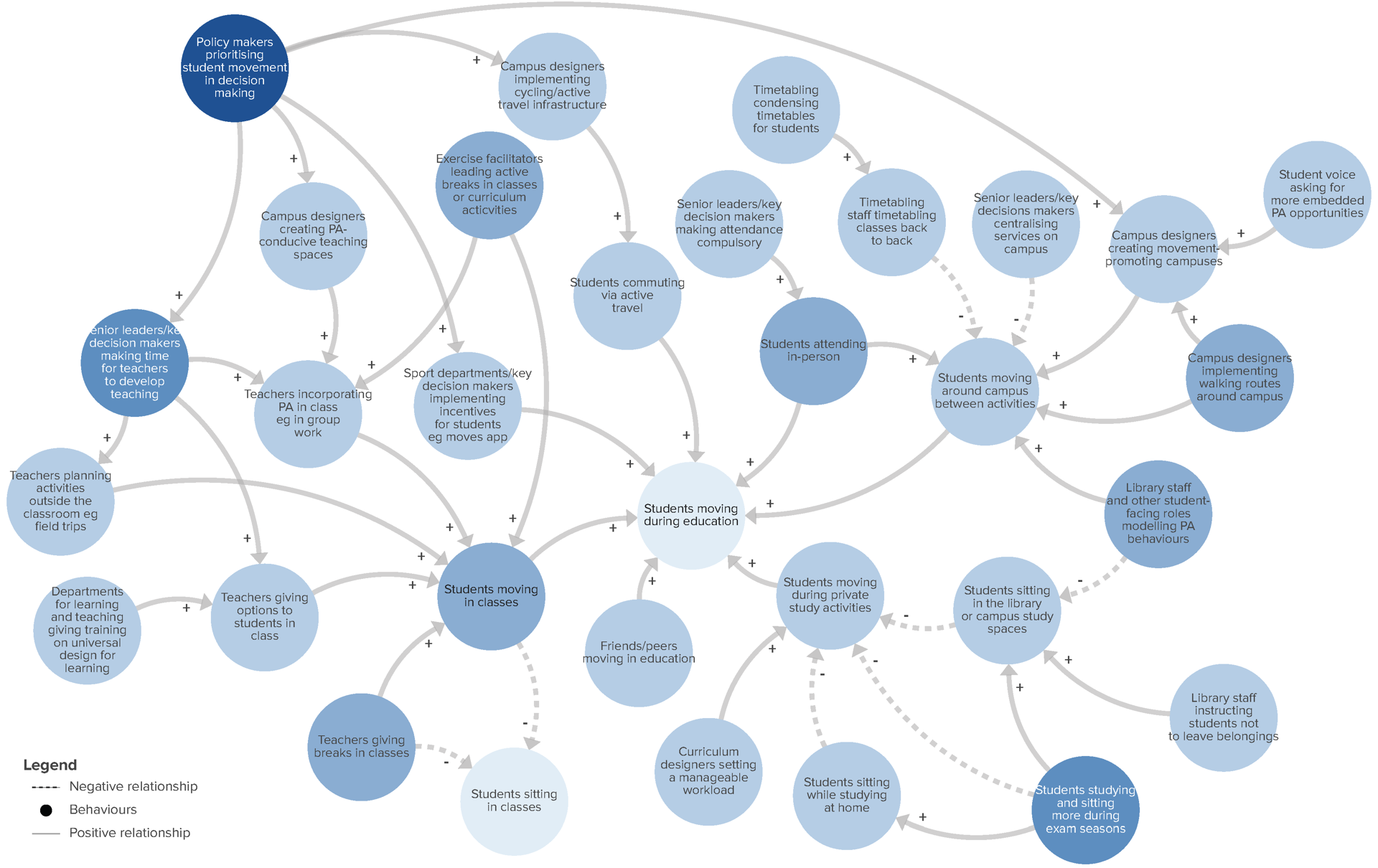
Figure 1 – Conceptual Map of Behaviours Identified by Participants and Relationships Between Them (Step One of Analysis)
Note: A zoomable map is available to view at (https://kumu.io/hannahcwood/conceptualmapofbehaviours). Behaviours have been colour-coded in accordance with the number of outgoing connections, where dark blue indicates a higher number of outgoing connections and light blue a lower number of outgoing connections. This illustrates which behaviours appear to have the most influence on other behaviours in the map.
Step Two: Adding Potential Influences to Create the Full Systems Map
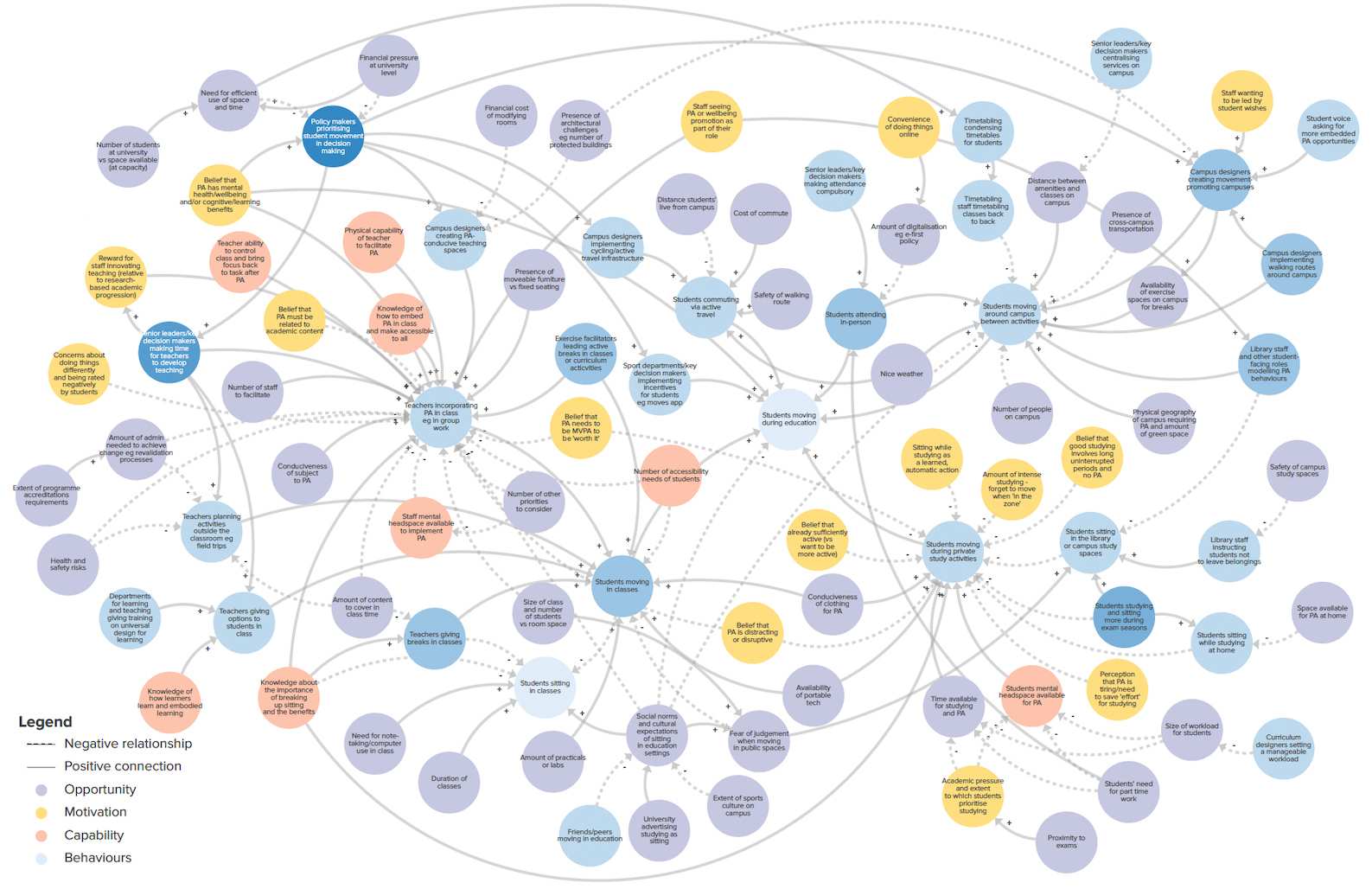
Once influences on behaviours were added, the final systems map had over 100 elements and connections, demonstrating the system complexity as described by participants. Table 4 presents all influences on behaviour in the map grouped into the three clusters and by the six COM-B elements. Some COM influences were linked to more than one cluster, which is reflected in the table by some repetition between clusters. The final map is displayed in Figure 2. A navigable version where it is possible to zoom in and out is available on Kumu (https://kumu.io/hannahcwood/bsmstudentpaandsb).
Following this, closeness centrality values were calculated using Kumu and are presented in Table 5. The most influential factors within the system according to this system metric were “policy makers prioritising student movement in decision making”, “financial pressure at university level”, “belief that PA has mental health or wellbeing and/or cognitive or learning benefits”, and “need for efficient use of space and time”.
Table 4 - Facilitators and Barriers Grouped by COM Elements and Areas of Behaviours
Areas | Element Type (COM Factors) | Facilitators and Barriers – Influences on Behaviours in the Area |
|---|---|---|
Student movement in classes (or contact teaching time) | Capability - Physical | Physical capability of teacher to facilitate PA |
Number of accessibility needs of students | ||
Capability – Psychological | Knowledge of how to embed PA in class and make accessible to all | |
Knowledge of how learners learn and embodied learning | ||
Knowledge about the importance of breaking up sitting and the benefits | ||
Teacher ability to control class and bring focus back to task after PA | ||
Staff mental headspace available to implement PA | ||
Opportunity – Physical | Amount of content to cover in class time | |
Number of other priorities to consider | ||
Size of class and number of students vs room space | ||
Presence of moveable furniture vs fixed seating | ||
Duration of classes | ||
Need for notetaking/computer use in class | ||
Conduciveness of clothing for PA | ||
Amount of practicals or labs | ||
Financial cost of modifying rooms | ||
Presence of architectural challenges e.g., number of protected buildings | ||
Financial pressure at university level | ||
Need for efficient use of space and time | ||
Number of students at university vs space available (at capacity) | ||
Conduciveness of subject to PA | ||
Number of staff to facilitate | ||
Health and safety risks | ||
Amount of admin needed to achieve change e.g. revalidation processes | ||
Extent of programme accreditation requirements | ||
Opportunity - Social | Social norms and cultural expectations of sitting in education settings | |
Fear of judgement when moving in public spaces | ||
Extent of sport culture on campus | ||
University advertising studying as sitting | ||
Motivation – Reflective | Belief that PA needs to be MVPA to be ‘worth it’ | |
Belief that PA must be related to academic content | ||
Belief that PA is distracting or disruptive | ||
Concerns about doing things differently and being rated negatively by students | ||
Reward for staff innovating teaching (relative to research-based academic progression) | ||
Belief that PA has mental health/wellbeing and/or cognitive/learning benefits | ||
Staff seeing PA or wellbeing promotion as part of their role | ||
Student movement in private study time | Capability - Psychological | Students’ mental headspace available for PA |
Knowledge about the importance of breaking up sitting and the benefits | ||
Opportunity - Physical | Time available for studying and PA | |
Students’ need for part time work | ||
Size of workload for students | ||
Proximity to exams | ||
Space available for PA at home | ||
Safety of campus study spaces | ||
Availability of portable tech | ||
Conduciveness of clothing for PA | ||
Opportunity - Social | Fear of judgement when moving in public spaces | |
Social norms and cultural expectations of sitting in education settings | ||
Motivation – Automatic | Forget to move when ‘in the zone’ of intense studying | |
Sitting while studying as a learned, automatic action | ||
Motivation – Reflective | Academic pressure and extent to which students prioritise studying | |
Perception that PA is tiring/need to save ‘effort’ for studying | ||
Belief that PA is distracting or disruptive | ||
Belief that already sufficiently active (vs want to be more active) | ||
Belief that good studying involves long uninterrupted periods and no PA | ||
Belief that PA needs to be MVPA to be ‘worth it’ | ||
Belief that PA has mental health/wellbeing and/or cognitive/learning benefits | ||
Wider system and behaviours | Opportunity – Physical | Financial pressure at university level |
Need for efficient use of space and time | ||
Number of students at university vs space available (at capacity) | ||
Distance between amenities and classes on campus | ||
Presence of cross-campus transportation | ||
Availability of exercise spaces on campus for breaks | ||
Number of people on campus | ||
Physical geography of campus requiring PA and amount of green space | ||
Nice weather | ||
Distance students live from campus | ||
Cost of commute | ||
Safety of walking route | ||
Presence of architectural challenges e.g., number of protected buildings | ||
Amount of digitalisation e.g., e-first policy | ||
Opportunity – Social | Social norms and cultural expectations of sitting in education settings | |
Motivation – Reflective | Belief that PA has mental health/wellbeing and/or cognitive benefits | |
Staff seeing PA or wellbeing promotion as part of their role | ||
Staff wanting to be led by students wishes | ||
Convenience of doing things online |
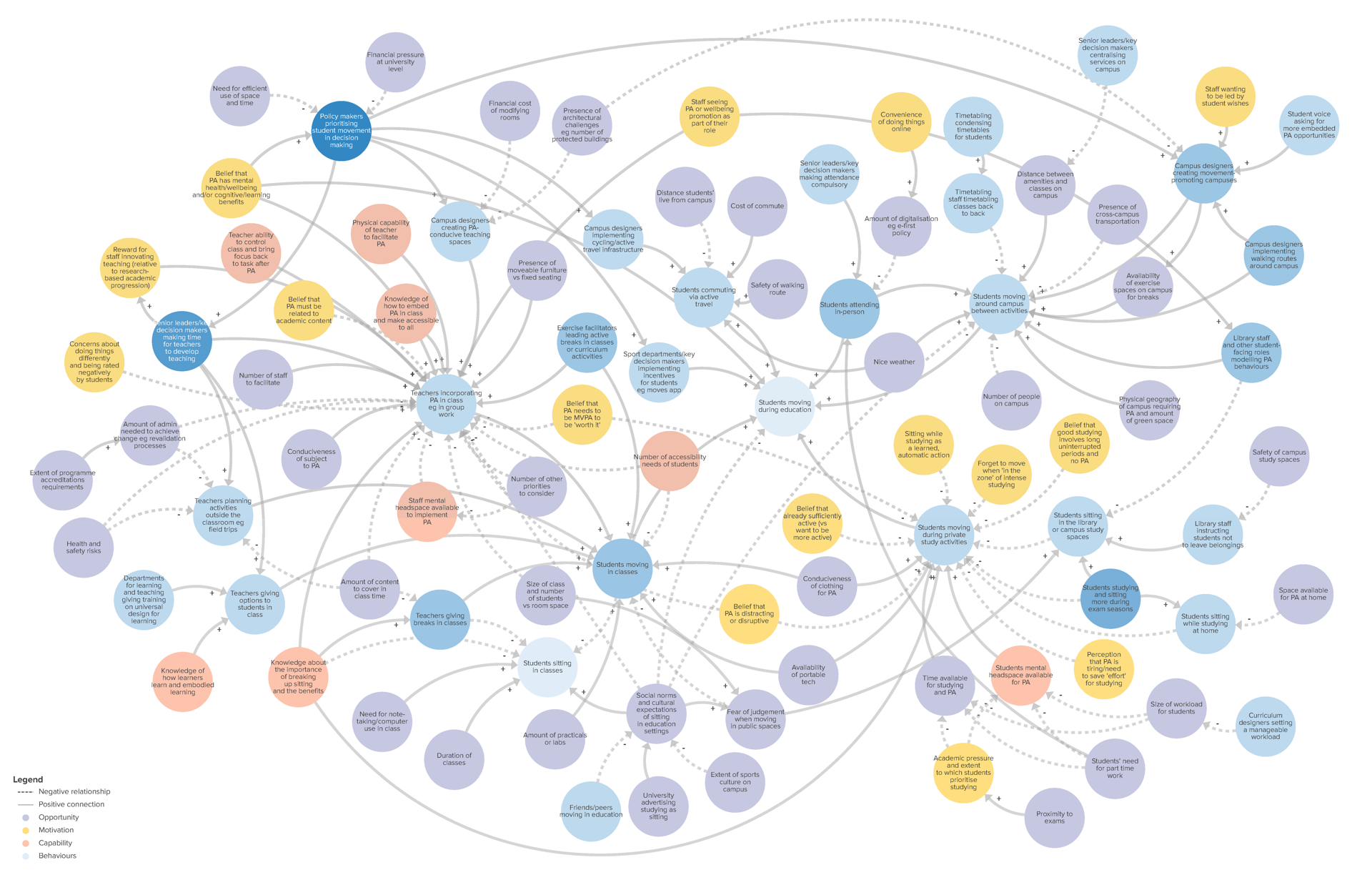
Figure 2 - Behavioural Systems Map of Student PA and SB in University Education as Revealed by Interview Participants
Note: A zoomable map is available to view at (https://kumu.io/hannahcwood/bsmstudentpaandsb). Behaviours have been colour-coded by the number of outgoing connections, where dark blue indicates a higher number of outgoing connections and light blue a lower number of outgoing connections. This illustrates which behaviours appear to have the most influence on other behaviours in the map.
Table 5 – Top Twenty Elements Ranked by Closeness Centrality Values
Element | Element Type | Closeness Centrality Value |
|---|---|---|
Policy makers prioritising student movement in decision making | Behaviour | 0.103 |
Financial pressure at university level | Opportunity – Physical | 0.091 |
Belief that PA has mental health/wellbeing and/or cognitive/learning benefits | Motivation – Reflective | 0.090 |
Need for efficient use of space and time | Opportunity – Physical | 0.087 |
Number of students at university vs space available (at capacity) | Opportunity – Physical | 0.068 |
Social norms and cultural expectations of sitting in education settings | Opportunity – Social | 0.068 |
Senior leaders/key decision makers making time for teachers to develop teaching | Behaviour | 0.056 |
Knowledge about the importance of breaking up sitting and the benefits | Capability - Psychological | 0.054 |
Staff seeing PA or wellbeing promotion as part of their role | Motivation – Reflective | 0.048 |
Presence of architectural challenges e.g., number of protected buildings | Opportunity – Physical | 0.047 |
Friends/peers moving in education | Behaviour | 0.047 |
Extent of sports culture on campus | Opportunity – Social | 0.047 |
University advertising studying as sitting | Opportunity – Social | 0.047 |
Amount of content to cover in class time | Opportunity – Physical | 0.047 |
Size of class and number of students vs room space | Opportunity – Physical | 0.043 |
Students studying and sitting more during exam seasons | Behaviour | 0.038 |
Fear of judgement when moving in public spaces | Opportunity – Social | 0.038 |
Belief that PA needs to be MVPA to be ‘worth it’ | Motivation – Reflective | 0.036 |
Belief that PA is distracting or disruptive | Motivation – Reflective | 0.036 |
Number of other priorities to consider | Opportunity – Physical | 0.034 |
Note: Elements are listed by descending closeness centrality value, where higher values indicate higher ‘closeness’ to other elements and therefore greater potential influence in the system
Discussion
This study aimed to map the key stakeholders, behaviours, and facilitators and barriers to behaviours that promote student movement within the university education system, based on qualitative interviews with students and staff, as a precursor to developing interventions to increase student PA and/or reduce SB during their university education. Thirty-one different behaviours performed by a variety of actors were mentioned by participants, forming a complex system of behaviours and influences on behaviour. The final map had over 100 elements, demonstrating this complexity. As a result, many potential behaviours may be considered when designing interventions to increase students’ movement, including those performed not only by students but also a range of other actors, such as campus designers. Changing behaviour of these other actors should indirectly influence the desired outcome behaviour of increasing students’ movement. For example, the behaviour of policy makers appeared highly influential in this map. When deciding which behaviour to target with an intervention, intervention designers should consider which behaviours appear most influential in the system (i.e., which would result in the most significant changes) and which are the most feasible to change (i.e., likely the ones with the fewest or least significant barriers to change). Those that meet both criteria are perhaps the most promising behaviours to target to increase students’ PA within education. Many barriers were related to physical or social opportunities, suggesting environmental restructuring may be key to embedding PA into university education. There were also many reflective motivation influences that may need addressing, such as believing that PA is worthwhile to implement. While policy-level change is needed to catalyse some of the environmental changes needed, opportunities may exist to support students to increase movement during private study time, where fewer barriers were identified. Importantly, the map presented in this study is intended as a first step towards a comprehensive systems map of students’ PA and SB within university education. It was primarily constructed by the first author, with input from all authors at the draft and refinement stage, based on two datasets of interviews with students and staff and no further consensus-building. The map is therefore inherently subjective, and so all interpretations must be made with caution at this stage, and while recognising that the hypothesised relationships are those perceived by participants in this study with no further corroboration.
Perhaps the most notable behaviour within the system, and that which was deemed most consistently to be influential in the system – albeit based on participant self-report – was “policy makers prioritising student movement in decision making”. This element had the highest closeness centrality value of all elements, indicating that participants perceived it to connect to the most other system elements. Although it is important to highlight that all closeness centralities values were low, perhaps reflecting the limits of participant perception and the early stages of map development. Nonetheless, the frequency of mentions in connection with other elements suggests that, if student movement were prioritised when decisions were made, this should affect many behaviours in the system. For example, it was connected to “senior leaders/key decision makers making time for teachers to develop teaching” to embed PA, another highly connected behaviour in the system. This means that participants felt, if student movement was prioritised at policy level, this should influence changes in the system to prioritise developing teaching to embed PA. Perceived influences on the behaviour of prioritising student movement in decision making included “financial pressure at university level”, “number of students at university vs space available”, and “need for efficient use of space and time”. Participants viewed these physical opportunity elements as inherently linked, as the financial pressures and increasing numbers of students means that efficiency is the priority. Indeed, the most frequent barriers identified by participants across the system were physical opportunity barriers such as these. Therefore, without top-down changes to position student movement as important at policy level, lower-level changes are unlikely to be maintained long-term as the policies and systems are not currently in place to support students’ movement in education.
Interestingly, another relatively highly connected and therefore potentially influential element was “belief that PA has mental health/wellbeing and/or cognitive/learning benefits”, and several other reflective motivation influences on behaviour were also highly linked. Such influences cut across multiple identified clusters of behaviours, suggesting that targeting these beliefs and ‘selling the benefits’ of PA to both students and staff as part of a policy approach may be one way to increase student movement in education. A top-down, policy approach has also been advocated in the comparable setting of schools, where existing interventions often focus solely on changing one of the lower-level or individual behaviours within the system, such as instructing teachers how to embed PA into teaching without considering the wider environment and context (Borde et al., 2017; Jones et al., 2020; García Bengoechea et al., 2024). Researchers have argued that this fragmented approach has been ineffective, with calls for a policy approach to inspire and coordinate collective action across the education system (García Bengoechea et al., 2024).
Another behaviour that connected to several other elements in the systems map was that of the movement behaviours of friends or peers (“friends/peers moving in education”), which had a negative relationship with “social norms and cultural expectations of sitting in education settings”, another element perceived as influential in the system. For example, many students reported that they would be more willing to engage in PA when in classes with friends or when everyone in the class was also moving, and staff reported similar observations, suggesting a strong influence of descriptive norms (i.e., observations of what others do). Preliminary research has found support for manipulating perceptions of social norms to change students’ behaviours. In two studies, descriptive norm messages were sent to students about the prevalence rates of their peers either trying to increase their sit-to-stand transitions or engage in MVPA during an exam period, with results suggesting descriptive norm messaging may be effective in changing students’ behaviour (Crozier & Spink, 2017; Anderson et al., 2022). Although, results of the present study point to the role of injunctive norms (i.e., beliefs about other’s perceptions and what behaviours are socially approved), which may inhibit movement even when opportunities are available. Perhaps future interventions should consider both descriptive and injunctive norms, as purely descriptive norm interventions may be less effective in contexts where injunctive norms discourage movement (e.g., “fear of judgement when moving in public spaces”). The present study suggests such social opportunity factors are influential in the system and, therefore, exploring how social norms may be used to encourage behaviour change and normalise PA in education settings may be a potentially fruitful area for future investigation. Social norms also link to the design of the environment and the actions it affords (Heras-Escribano, 2022), and thus making physical environment changes should also vicariously increase social opportunity. Environmental restructuring may therefore be key to embedding PA into university education and targeting the perceived main influences on students’ movement identified in this study.
Policy makers prioritising student movement and the behaviour of friends and peers, were both behaviours that cut across multiple clusters and areas of students’ movement in education. In this study, three areas of students’ movement were identified around which behaviours and perceived influences clustered: student movement in classes (or contact teaching time), student movement in private study time, and wider system influences and behaviours that affect students’ movement. Of these clusters, perhaps the most intuitive area to target with interventions is around student movement in classes and teaching staff embedding PA. Many previous interventions trialled have been delivered during classes, suggesting this has been the focus of previous research (Lynch et al., 2022). However, in this study, ‘student movement in classes (or contact teaching time)’ had the most perceived influencing factors linked to it of all three clusters, suggesting that it may be the most difficult area to change. Alongside the numerous opportunity barriers, there were also potential psychological capability barriers, especially for staff delivering teaching. This suggest that, as well as environmental restructuring, more education is needed for staff on how to effectively embed PA in education before it can be implemented in practice. This corroborates the small amount of research in this area, which found staff had limited knowledge of how to embed PA into their teaching, particularly how to incorporate movement without detracting from the time available for learning (Rupp et al., 2025). However, simply addressing such barriers in isolation would likely be ineffective if physical environments afford sitting. This reinforces our call for a policy approach to embed changes across the system, driven by stakeholders who hold decision-making power, as has been suggested in school settings (García Bengoechea et al., 2024).
Comparatively, ‘student movement in private study time’ had the least actors involved and relatively few perceived influences on behaviour, many of which were controlled by students themselves. This suggests this area may be more feasible to target as a starting point for intervening in the system, at least without the support of a policy approach prioritising student movement at decision making level. Many of the perceived influences on behaviour in this area appeared to relate to automatic motivation (e.g., “forget to move when ‘in the zone’ of intense studying”), reflective motivation (e.g., “belief that PA needs to be MVPA to be ‘worth it’), and opportunity (e.g., “time available for studying and PA”). If students were supported to identify opportunities for movement during private study activities, and they believed in the benefits for doing so (i.e., reflective motivation), interventions may successfully target students’ typically prolonged sitting duration while studying (Sutherland et al., 2024). For example, encouraging engagement in active breaks at strategic points throughout the day (e.g., see Latino et al., 2025). Perhaps automatic motivation influences could be leveraged in this regard, with interventions aiming to make engagement in active breaks habitual during students’ private study time. One promising approach may be to develop methods that can identify and intervene at optimal moments between the completion of one study task and initiation of another (i.e., ‘task boundaries’; Zacks & Swallow, 2007; ten Broeke et al., 2023). Just-in-Time Adaptive Interventions may also be helpful for achieving this, as they can deliver bespoke behaviour change prompts delivered to individuals to encourage sit-stand transitions at optimal moments (Nahum-Shani et al., 2018; Hsu et al., 2025). To the best of our knowledge, such interventions have yet to be explored with university students.
Limitations
Limitations of the study must be acknowledged. Our systems map was developed based only on one combined dataset of interviews with students and staff from a limited range of roles, so does not offer a comprehensive overview. To develop the map further, it is important to sample other stakeholders, as well as potentially a broader range of staff roles, such as participants with more diverse management or senior leader roles who might yield a more detailed understanding of possible leverage points at this level. Recruiting such individuals was challenging in this study, Future research might explore the policy level in more depth and investigate the most effective ways to identify and engage key stakeholders, who would strengthen insights at this level. Similarly, the map represents an amalgamation of many different universities and experiences, rather than a specific institution. Many potential influences on behaviours raised by participants were situation-specific and likely particular to participants’ institutions, so the map represents a generalised summary of potential factors. Importantly, the map represents the system as perceived by participants, without further corroboration of whether this accurately reflects the ‘true’ system. Adding to this subjectivity, while we aimed to focus on interviews on participant’s own experiences, inherently some of the data involves participants speculating on other’s experiences or hypothetical scenarios (e.g., feasibility of possible intervention ideas). Notwithstanding these limitations, the map provides a useful starting point for considering the range of possible factors to consider when aiming to increase student PA or reduce SB in university settings.
A key limitation is the dual layers of subjectivity involved in the mapping process. That is, the construction of the map was based not only on participants’ subjective perceptions of the system, but also on the interpretations of a sole researcher, who analysed participants’ spoken descriptions. Although the aim was to map the system as closely as possible to the qualitative data, there was inevitable subjectivity to building the map, and therefore the results are interpreted while acknowledging this subjectivity. For example, COM factors might have reasonably and equally validly been interpreted differently by a different coder. Our results must therefore be interpreted as preliminary indications of factors rather than definitive categories. Similarly, maps can be created in various levels of detail. For instance, in the current study there were many motivation factors relating to beliefs about consequences which could have been individual elements (i.e., fine-grained detail) but for brevity were grouped by similar factors into fewer elements (e.g., “belief that PA has mental health/wellbeing and/or cognitive/learning benefits”; Kiekens et al., 2022). If these were expressed as individual elements, then this would increase the number of connections between factors. For example, in the map this element is connected to the behaviour “policy makers prioritising students’ movement in decision making”, representing one single incoming connection. If these motivation factors were described in finer-grained detail (e.g., “belief that PA has mental health or wellbeing benefits” and “belief that PA has cognitive or learning benefits”) then the behaviour would have multiple incoming connections, instead of just one. For this reason, all connectivity metrics (e.g., how many in-connections an element has) must be interpreted cautiously and whilst recognising this level of subjectivity. Equally, as the map is based on individual participant perceptions, which may or may not be accurate, to further develop the map additional stakeholder input and other sources of information (e.g., observations) should be sought to ensure all relevant factors are represented and build consensus around which factors are connected. Such work might be undertaken through, for example, stakeholder workshops and participatory mapping approaches (Emmel, 2008). Following this, a process of refinement and simplification could be carried out to increase the usability of the map. We recommend that the map is then used as a starting point for stakeholder discussions around co-designing possible interventions, for example using participatory action research methods, as has been conducted in comparable school settings (e.g., see Daly-Smith et al., 2020; Nau et al., 2022; Cornish et al., 2023). Future research might also address the challenges of translating insights drawn from behavioural systems maps into actionable intervention components (e.g., see Parkinson et al., 2025), particularly as behavioural systems mapping as a method is still in development (Bellmann, 2025). While this study points to areas that could be targeted by behavioural interventions, our mapping task did not include identifying specific interventions. We intend for this map to be the starting point for a more comprehensive process of mapping and subsequent intervention decision-making. Alternatively, if an intervention is being developed for a specific setting, a similar mapping exercise could be performed for that specific setting to understand the key drivers involved (e.g., similar to Hale et al., 2022). Although it is not a comprehensive behavioural systems map and requires further development with input from additional stakeholders in the system, it nonetheless provides a useful starting point for future student PA-promotion intervention decision-making.
Conclusion
Overall, bringing together the student and staff datasets using behavioural systems mapping and COM-B analysis highlighted the complexity of the system, with many actors, behaviours, and influences on behaviour involved. This process, while only a preliminary stage of map development that requires future research to consolidate the map, has highlighted several potential areas for future research and possible implications for applied practice. Specifically, many of the behaviours perceived by participants were underpinned by barriers relating to physical and social opportunity, suggesting environmental restructuring may be key to embedding PA into university education. There were also many reflective motivation influences, such as believing that PA is worthwhile to implement. This suggests a top-down approach may be needed to embed PA into university education, perhaps starting with policymakers prioritising student movement and catalysing some of the changes needed. However, more research is needed to determine how to design such top-down interventions, including gaining insights from policymaker stakeholder groups. At the same time, our results suggest there might currently be opportunities outside of the classroom and campus environment in terms of supporting students to identify opportunities for movement, for example in their private study time, as this study suggests this may have fewer barriers to change. Future research might fruitfully explore how to address the identified opportunity and motivation barriers to students’ moving more during study time.
Acknowledgements
Preprint version 3 of this article has been peer-reviewed and recommended by Peer Community in Health and Movement Sciences (https://doi.org/10.24072/pci.healthmovsci.100306; de Müllenheim, 2026).
Funding
This work was supported by the ESRC: HW is in receipt of PhD funding from the London Interdisciplinary Social Science Doctoral Training Partnership [grant number: ES/P000703/1]. For the purposes of open access, the author has applied a Creative Commons Attribution (CC BY) license to any Accepted Author Manuscript version arising from this submission.
Conflict of interest disclosure
The authors report that there are no competing interests to declare.
Data, scripts, code, and supplementary information availability
Data and supplementary information are available online at https://doi.org/10.17605/OSF.IO/WHGJN (Wood et al., 2026b). This includes: the student and staff datasets (i.e., anonymised transcripts), anonymised demographic data and accompanying demographic questionnaire, all interview gudies, PDF versions of the maps, and the completed COREQ checklist.
Author Contributions
Hannah C Wood: Conceptualisation, Methodology, Formal Analysis (Lead), Investigation, Data Curation, Writing – Original Draft, Writing – Review & Editing, Visualisation, Project Administration. Benjamin Gardner: Conceptualisation, Methodology, Validation, Writing – Review & Editing, Supervision, Funding Acquisition. Myanna Duncan: Conceptualisation, Methodology, Validation, Writing – Review & Editing, Supervision. Eleanor J Dommett: Conceptualisation, Methodology, Validation, Writing – Review & Editing, Supervision, Funding Acquisition.
Appendix: Sample Size Determination
Students
Sample size was determined using the concept of information power which suggests researchers reflect on the ‘information richness’ of sample in relation to the research aims, rather than advocating for precise calculations or demonstrations of saturation that can be conceptually flawed concepts in qualitative research (Malterud et al., 2016; Braun & Clarke, 2022). The concept states that the more information the sample holds in terms of depth, relevance, and quality, the fewer participants are needed (Malterud et al., 2016). When reflecting on the ‘information richness’ of your sample, five criteria are proposed for consideration: a) breadth of the study aim, b) sample specificity, c) use of established theory, d) dialogue quality, and e) planned analysis.The model suggests that these principles are used to assess the ‘information power’ of a dataset, both prior to data collection to set an initial target sample size range, and then throughout data collection to assess when to stop collecting data. Using these principles, an initial target of 15-20 interviews was set, as the study aim was reasonably narrow, indicating a smaller sample is needed, but the planned analysis was primarily inductive and exploratory, and we wanted to explore experiences across different universities and subjects, all indicating that a larger sample is needed. In terms of sample specificity, all participants had experiences highly relevant to the research question and, as interviews continued, demonstrated high similarity in experiences, albeit with differing opinions and beliefs. Dialogue quality can only be assessed during data collection and this varied across participants, some gave short, surface-level answers whereas others spoke in detail of their experiences. We therefore continued to collect data past the lowest target point of 15 participants. The growing dataset was continually assessed in line with these principles and, following the twentieth interview, the dataset was deemed sufficiently rich and complex to give an insight into the research question (Braun & Clarke, 2022).
A total of 125 participants completed the expression of interest form with a valid university email address across the recruitment period (December 2023-April 2024). Of 57 students invited, 27 did not respond and 10 cancelled or did not attend (reasons not provided), resulting in 20 participants. Any remaining prospective participants at the end of the recruitment period were emailed to thank them for their time in completing the form.
Student-Facing Teaching Staff
Sample size for the staff directly involved in teaching was also determined using the concept of information power. Using these principles, an initial target range of 15-20 interviews was set to guide recruitment. For this sample, the aim of the study was reasonably narrow (i.e., to explore student-facing teaching staff experiences of student PA and SB), indicating a smaller sample is needed compared to a broader study aim. However, data were planned to be inductively analysed with no set underlying theory, and we wanted to explore experiences across different universities and subjects, indicating that a larger sample is needed. Although, as interviews continued, student-facing teaching staff demonstrated high similarity in experiences and all had experience directly relevant to the research question, reducing the need for an extensive sample to achieve adequate information power. Dialogue quality was also high, defined in the model as both the depth of participants answers as well as the interviewer’s skill in eliciting in-depth responses. As interviews progressed, these principles were used to continually assess the dataset and its ‘information power’. Following the fourteenth interview, the dataset was deemed sufficiently rich and complex to provide an adequate response to the research question (Braun & Clarke, 2022).
A total of 24 student-facing teaching staff participants completed the expression of interest form with a valid university email address across the recruitment period, of which 20 were invited to interview. From these 20, 6 did not respond, resulting in a final sample of 14 participants directly involved in undergraduate teaching. Reasons for non-response were not provided.
Non-Teaching University Staff
As stated in the method section, sampling for this final group was largely determined through pragmatic principles. Five main groups for recruitment were initially targeted: staff in senior leader roles, estates staff (responsible for the operation, maintenance, and development of a university’s land, buildings, and facilities), disability and support services staff, library staff, and learning technologists. Snowball sampling led to the recruitment of staff in wider roles outside of these pre-determined categories, such as sport department staff who worked on PA initiatives. Participants were also asked to share the advert following their interview, unless sufficient numbers of that role type had already been recruited, as determined using the principles of information power – if dialogue quality and sample specificity was high across the existing participants then no new participants for that role type were invited. This was the case for learning technologists and library staff. For other roles, recruitment was more challenging and so pragmatic principles were used to determine sample size: as many participants as possible were recruited prior to a pre-determined end date for recruitment (start of the Christmas holidays).
Across the recruitment period 44 non-teaching university staff emailed and 37 were invited to interview, the remaining 7 were not invited because we deemed there to be adequate representation of that role type in the existing sample. Of the 37 invited, 11 did not respond and 2 did not attend, resulting in a final sample of 24. Reasons for non-participation were not provided.