
 CC-BY 4.0
Introduction
Over the past decade, disasters worldwide have made headlines for destroying significant portions of cultural institutions housing moveable heritage. Examples include the 2021 European floods, which extensively damaged heritage sites and archaeological repositories in North-western continental Europe (De Bruyn & Olbrechts, 2025), and the 2018 fire at the National Museum of Brazil that destroyed nearly 90 per cent of its collections (Wegener, 2024). Despite the widespread belief that disasters are events beyond human control, against which little can be done, it is often overlooked that precautionary measures can significantly reduce the risks they pose.
As highlighted by international organisations, damage from potential risks can be minimised and mitigated if Disaster Risk Management planning is adequately implemented prior to disasters (UNESCO, 2010). However, research by various scholars and organisations has shown that many heritage sites worldwide continue to lack adequate risk management, either due to the lack of budget, personnel, space, or knowledge in this crucial field (Durrant et al., 2023; RE-ORG, 2011).
Institutions housing archaeological or moveable heritage collections are particularly vulnerable, as these objects are often fragile and sensitive. In the European context, the situation is especially dire for museums. Both national and international surveys showed that only a minority of museums have conducted risk assessments, and even fewer have a functioning risk management strategy in place (Desplanches & Lamarche, 2020; NEMO, 2022; Tomastik et al., 2020; Tosun & Bostan, 2022). Moreover, many European museums are housed inside historical buildings that may not adhere to modern requirements for storing moveable heritage (Garcia-Castillo et al., 2023). This therefore highlights the urgent need to develop and implement effective safeguarding measures and emergency preparedness plans to respond to potential disaster risks.
Definitions
International organisations have established definitions and guidelines, based on expert recommendations, that outline best practices for heritage risk management. A disaster is defined as “a serious disruption of the functioning of a community or a society causing widespread human, material, economic or environmental losses” (UNESCO, 2010, p.58), while risk is defined as “the chance of something happening that will have a negative impact” (ICCROM, 2016, p.9). In this context, disaster risk refers to the possibility that such disruptions may result in losses to heritage. Disaster Risk Management (DRM) is therefore the process of planning, implementing, evaluating strategies with the aim of reducing disaster risks and strengthening resilience (UNESCO, 2010).
DRM comprises three phases: before, during, and after disasters (UNESCO, 2010), forming a continuous cycle in which each phase informs the next. Before disasters, preparations are made in that risks are identified and assessed, so institutions can mitigate or prevent risks, and establish response plans. During disasters, the prepared response plans are activated to minimise damage. After disasters, the effectiveness of response plans and damage are assessed and revised, and these findings are then used to strengthen the next preparedness phase. The preparedness phase before disasters is therefore the most critical for limiting potential damage.
The Case Study
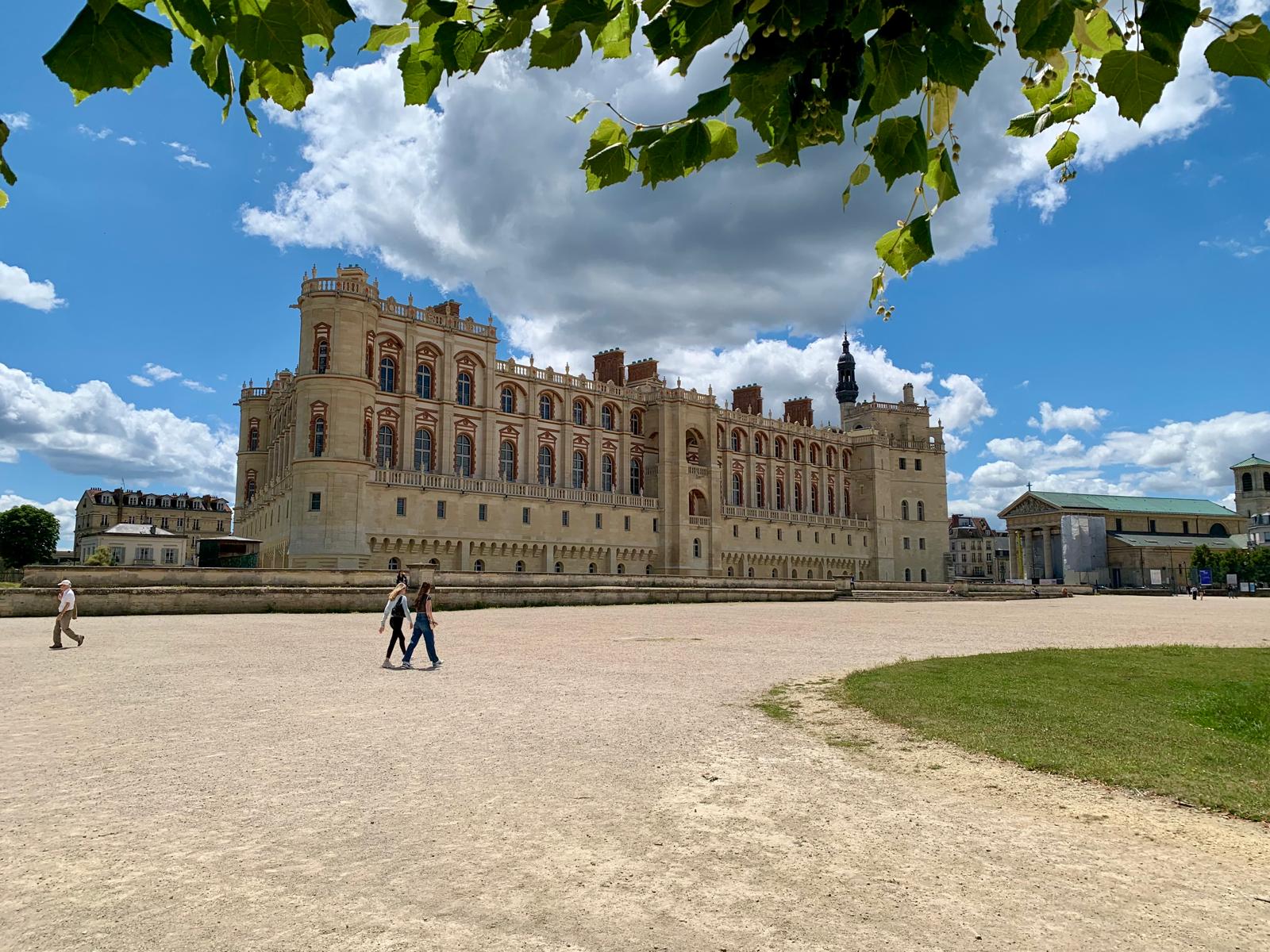
The Musée d’Archéologie Nationale (National Archaeology Museum, hereafter MAN) is France’s preeminent archaeological museum due to the scale and significance of its collections. Located about 20 kilometres west of Paris, the MAN houses one of the largest archaeological collections in Europe, comprising around three million artefacts dating from the Palaeolithic era to the Early Middle Ages (MAN, 2023). These moveable heritage objects are predominantly from excavations within the French territory, although smaller collections from other cultures are also presented. The MAN is situated within a former royal castle complex known as the Château de Saint-Germain-en-Laye, a designated historic monument that once served as a former royal residence for French kings, before being converted into a museum in 1862 (MAN, 2017).
One of the main reasons the museum lacked a functioning DRM plan prior to this study lies in the constraints imposed by its location. According to the French Code du patrimoine (Heritage Code) (https://www.legifrance.gouv.fr/codes/texte_lc/LEGITEXT000006074236/), cultural property encompasses both movable and immovable heritage of historical, artistic, archaeological, aesthetic, scientific or technical value (art. L1), and must be adequately protected (art. L441-2; art. L621-9). In the case of the MAN, the code thus restricts structural modifications to the château to preserve historical integrity, though this inevitably limits the MAN’s ability to sufficiently protect its collections on-site. Combined with the sheer volume of objects under the museum’s care, these factors make the movement and management of collections particularly challenging, thereby hindering large-scale research (MAN, 2017, 2023).
Moreover, the French Government had only established a nationwide mandate in 2016, requiring cultural institutions to establish a formal Plan de Sauvegarde des Biens Culturels (Cultural Heritage Safeguarding Plan, hereafter PSBC) to protect heritage during emergencies (Ministère de la Culture, 2016). Therefore, the MAN established its collections management department in 2017 to consolidate responsibility for both moveable heritage conservation and PSBC, though progress on PSBC could not commence, as much of its efforts were focused on the documentation of the many artefacts that needed to be digitally recorded first (MAN, 2023). For these reasons, although small scale preliminary risk assessments have been made previously, a more comprehensive DRM strategy has yet to be extensively researched, which puts the museum’s collections at risk of disasters.
Consequently, to research and initiate DRM to safeguard the MAN’s invaluable moveable heritage would be highly significant not only for the museum’s PSBC, but also for the wider cultural heritage field. Indeed, this study can serve as a reference point for the many museums still in need of a DRM strategy, especially those located in historical buildings lacking modern conservation standards. Thus, this study seeks to address the following questions: What is the primary risk that threatens the MAN? How should the MAN mitigate the said risk given the resources and constraints? What are the tools and strategies to set the foundation for the MAN’s DRM strategy?
Related Work
Various international organisations have long advocated for DRM planning in cultural heritage sites (ICOM, 2017; UNESCO, 2010). In addition to publishing guidelines, they also have dedicated emergency response missions aimed at protecting heritage in danger, focusing on those in developing countries or conflict zones (ICCROM, 2015; Blue Shield International, 2020).
In academia, case studies have been performed in selected cultural institutions, particularly those situated in areas prone to natural disasters, illustrating the necessity of implementing DRM plans. For instance, case studies conducted at various museums and institutions housing movable heritage have highlighted the effectiveness of thorough risk assessment and mitigation, as well as the need for greater general awareness to hasten DRM implementation (Bülbül Bahtiyar & Dişli, 2022; Najar & Wani, 2021; Rodríguez-Rosales et al., 2021). These studies derived their methodology from the guidelines recommended by international organisations, thereby demonstrating the effectiveness of the guidelines in practice.
Furthermore, in the aftermath of disaster scenarios for heritage institutions, evaluation reports by researchers and government agencies concluded that adequate risk assessment and mitigation planning performed prior to the disasters would have minimised the damage inflicted on the collections (Da Rocha et al., 2025; De Bruyn & Olbrechts, 2025). These findings echo the broader consensus within the field that the implementation of proactive DRM measures is essential, and that the integration of comprehensive DRM planning into institutional practices is necessary to effectively safeguard moveable heritage from risks (ICOM, 2017; NEMO, 2022; UNESCO, 2015).
Methodology
Although France has a national centre for research that issues guidance on heritage conservation related matters (Courselaud et al., 2022), its comprehensive PSBC manual was only published after the start of this study. Thus, noting the methods of related works, this study is structured in accordance with international guidelines, such as those published by ICCROM (2016), ICCROM & UNESCO (2016), and UNESCO (2010) that provide the most comprehensive steps for cultural institutions to begin DRM implementation. These guidelines consolidated methodologies from conservation experts, including Michalski (1990) primary framework for preventive conservation and its expanded manual (Michalski & Pedersoli, 2016), and Waller (2003) Cultural Property Risk Analysis Model, which are systematically used in moveable heritage risk management (Bülow et al., 2018; Roland-Gosselin et al., 2021).
As the MAN has not begun developing a full DRM strategy, this study is therefore geared towards establishing the foundations necessary for the first and most crucial phase of DRM, which is to ensure preparedness before disasters. This first includes assessing the threat levels of different risks to determine the most hazardous risk to the museum’s collections. Once identified, this study will draft the corresponding action to mitigate the risk, providing the foundations necessary to formalise the MAN’s DRM strategy.
For this, the study adopts a mixed‑methods approach. Primary data was collected between June 2022 and May 2023, beginning with an on‑site internship that included field research, and followed by subsequent iterative group discussions with relevant internal and external parties of the MAN to plan its DRM. This included the museum’s overall management, the collections management department, the curators responsible for the MAN’s eight categories of collections, and the emergency services. Secondary data, including government and institutional reports on local environmental and human factors, reference projects from other museums, and existing reports by the MAN were synthesised to support the development of the DRM foundations.
Baseline Risk Profile of the MAN
There are ten distinct categories of natural and human-induced risks that threaten moveable heritage (ICCROM, 2016), which this study adopts as the framework for establishing a baseline risk profile of the MAN. As scientific reports have already catalogued certain vulnerabilities within the museum (MAN, 2017), this study does not aim to conduct an exhaustive primary risk analysis. Instead, these prior findings are summarised and integrated with personal field research conducted in 2022 to validate the existing threat landscape from which the DRM foundations in this study are developed. The following outlines the resulting profile for each of the ten risk categories.
Criminals
The threat of criminal acts against a national museum cannot be ruled out, for sites of cultural significance and importance have often been used as places to carry out an attack or targets for theft (EUROPOL, 2022). However, the museum is actively implementing recommendations to reduce criminal risks from a comprehensive audit performed in 2013, thereby decreasing the likelihood of criminal acts (MAN, 2017).
Dissociation
There are objects which are yet to be documented digitally, as observed during the field research. The museum is housed within a castle that was not originally designed for museum use, and so its interior layout makes it difficult to access and document the many objects in storage, particularly due to the lack of adequate space for scientific research. The MAN has nonetheless partially closed sections of the museum since 2020, to make room for a temporary on-site research facility, and is actively digitally documenting the remaining objects to resolve this.
Fire
The possibility of fire can start both externally and internally. Externally, leaks or explosions of combustible gases from the nearby Seveso establishments, or fires from drought, lighting strikes, or human factors to a nearby forest could potentially make the castle catch fire (Institut Paris Région, 2015). Internally, the museum is currently undergoing major renovations aimed to refurbish and reorganise the museum’s interior spaces (MAN, 2023). Coupled with the fact that much of the interior structure is made of non-fireproof materials such as wood, fires can also be started accidentally from construction, electrical short circuit, or other human factors such as unextinguished cigarettes.
Incorrect RH (relative humidity)
Through the creation of the collections department in 2017, the RH has been consistently monitored using calibrated equipment and showcases with objects sensitive to RH are regulated to maintain the integrity of objects (MAN, 2023).
Incorrect temperature
As observed during field research, the MAN possesses both heating and air ventilation systems that prevents extreme temperature fluctuations within the castle compound. Regular reviews of the thermostats ensure the optimal condition for the museum’s objects.
Light and UV
The windows of all rooms within the castle are noted to have blinds or filters, or are covered up completely, which prevents strong UV from damaging the artefacts. Individual showcases also have ultraviolet and infrared filters that prevents excessive radiation damage (MAN, 2023).
Pests
On occasion during field research, flies and other common insects have been found to have entered the museum. Nonetheless, pesticides are seen throughout the compound to eliminate the possibility of pests damaging the objects. The more vulnerable objects are also encased.
Physical Forces
Earthquakes in metropolitan France are rare, and the Île-de-France region where the MAN is located is considered to have very low seismicity (Institut Paris Région, 2015). As for forces by human factors, the more fragile objects are protected within showcases. Objects are also noted to be exclusively handled by selected museum personnel, and adequate guidelines and care are also given to decrease accidental damages.
Pollutants
The museum’s air circulation is sealed from the outside, as windows are noted to be rarely opened. The object showcases also provide limited air circulation, which prevents exterior pollutants from entering.
Water
The area in which the castle is located is not prone to flooding, as the castle sits on a plateau 120 metres higher than the average levels of the Seine River that flows nearby (Préfet des Yvelines, 2026). The ageing pipelines are a point of concern due to occasional leakages, so the current renovations include upgrades to the water systems (MAN, 2023).
Results
Taking all the potential risks into account, it is determined that fire poses the most imminent threat to the museum’s collections. This is because fire can originate both externally and internally, with the risk especially heightened by the currently ongoing major renovations. The inability to protect objects from fire on-site, given the museum’s primarily wooden interior and the vulnerability of most of the objects, necessitates an immediate approach to mitigate the risk.
Risk Mitigation at the MAN
According to DRM’s list of actions before disasters, the following procedure is to address the risk of fire through mitigation (UNESCO, 2010). However, as the museum is housed inside a historic monument, certain safety requirements cannot be applied to the MAN. For example, an automatic fire sprinkler system cannot be installed to protect the collections, as excessive water could damage the castle’s interior structural integrity, as well as the showcases, which are not always waterproof. Therefore, only a fire alarm system and fire extinguishers have been installed around the castle, in addition to fireproof doors to prevent potential fires from spreading.
Considering the inability of the castle structure to prevent the risk of fire, on-site countermeasures are deemed insufficient to protect the artefacts. Consequently, an evacuation‑based strategy is identified as the most appropriate approach to safeguard the collections. This indicates that when a fire breaks out, objects would be retrieved and reallocated outside the museum to a secure temporary storage facility. The MAN’s risk mitigation process is therefore centred on the prior preparation of an evacuation plan. As highlighted by ICCROM & UNESCO (2016), a prerequisite for such a plan is the development of a comprehensive document containing object information and spatial data to ensure a swift evacuation. Since the MAN lacks a dedicated database to store and manage this information, this study proposes the design of a dedicated evacuation database that meets the institution’s DRM requirements and enables evacuation personnel to execute object retrieval and relocation efficiently.
An important factor understood during the evacuation planning is that not all objects can be removed within the timeframe available, depending on how quickly a fire may spread. As such, the development of a priority list of objects is recommended to ensure that artefacts considered most significant are safeguarded first in emergencies (ICCROM & UNESCO, 2016). Each curator responsible for a collection was therefore asked to compile a priority list of objects for inclusion in the evacuation database. The criteria used to select objects for these priority lists varied amongst curators, but generally involved a combination of factors such as historical or aesthetic significance, accessibility, portability, and vulnerability.
Evacuation Database
Following the compilation of the list of objects, this study proceeded with the creation and design of the database specifically for emergency usage, the first of its kind for the museum. The diverse data collected was incorporated into a multi-faceted custom application in FileMaker Pro, a cross-platform database software that allows users to create custom applications for managing, organising, and sharing data. Neither the guidelines by international organisations nor research by conservation specialists specifically recommends a database platform for emergency purposes. Given the time constraints to establish the DRM project promptly to safeguard artefacts, FileMaker Pro was selected following the MAN’s existing partnership with the Louvre Museum, where the same software is already in use for database purposes.
FileMaker Pro was also chosen for its convenience. The software can be directly licensed and downloaded from the company’s website and functions across the most popular computer operating systems (Windows and macOS), as well as on mobile and web-based versions which, although offering reduced functionality, provide added flexibility and accessibility for use in emergency situations (Claris International Inc., 2023). Custom applications created can also be hosted on-premises and in the software’s own cloud platform, allowing them to be shared and edited across systems. Furthermore, its configuration is designed in a manner that users with little knowledge in computer or data science can easily grasp the fundamental knowledge to create, manage, retrieve, and share databases. Existing data of the MAN’s collections can also be directly imported, making the software ideal for the museum that is new to data management.
As the custom application created can be used in a variety of different systems as well as exported for printing, it is intended to play an active part during evacuations, as opposed to being a mere passive database for storage backup. This means the data layout depicting the priority objects must be easily readable and understandable to swiftly evacuate objects during disasters. For this reason, the data for each object was determined by understanding what, where, and how it should be evacuated, categories considered most crucial for a successful evacuation. Physical properties include material, dimensions, and weight, whilst descriptive and documentation metadata include name, identity number, location, and priority level. More importantly, photographs, maps, and pictograms are included to visualise the object and its location. The draft layout also includes a blank section for editing of the status of the object, to indicate any special notes. The database application was thus created and developed with the intent that it can be used throughout the DRM cycle of before, during, and after a disaster strikes (Figure 1). For security reasons, selected information pertaining to the object such as its inventory number is masked.
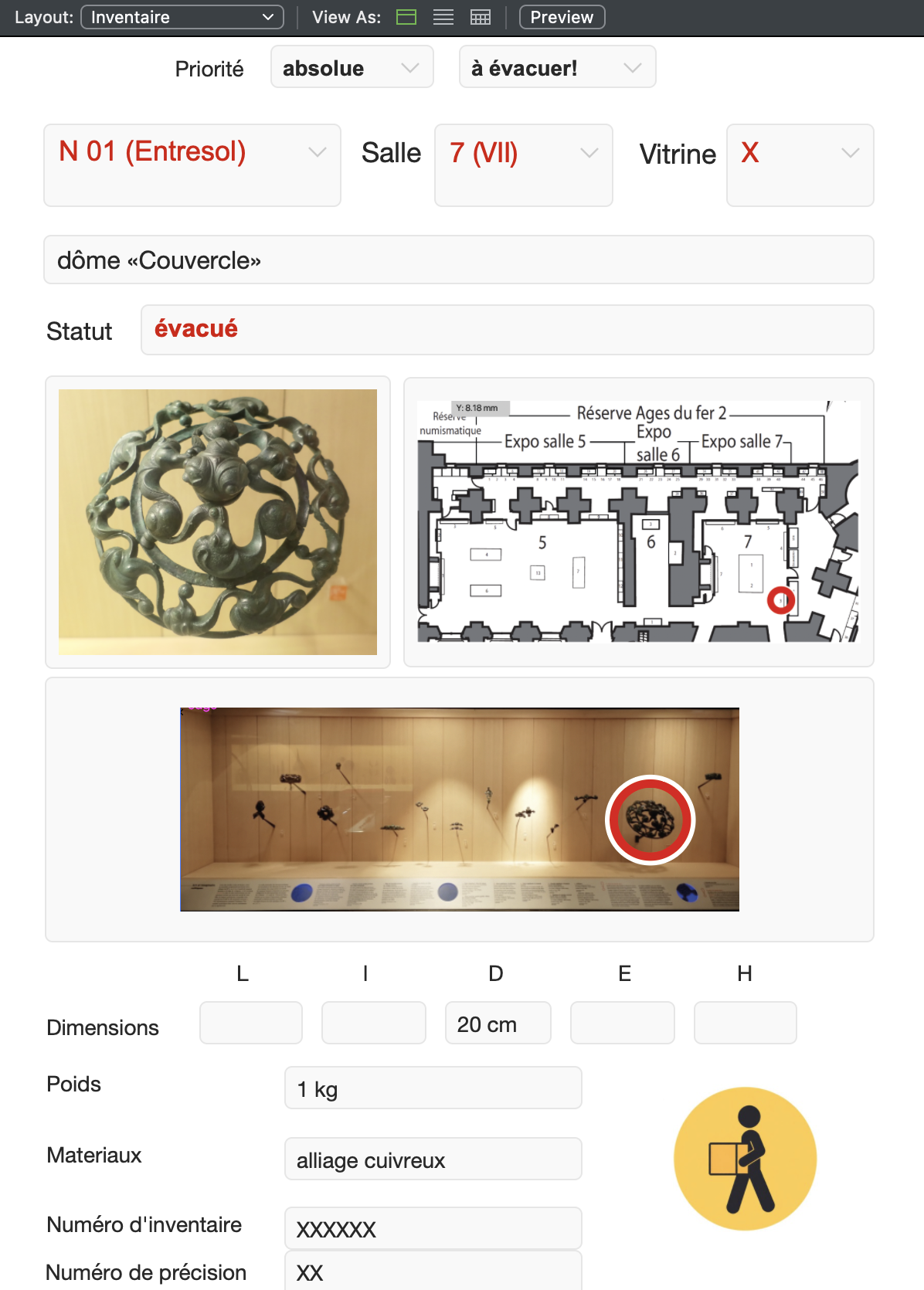
Figure 1 – Sample page of a data layout depicting one of the MAN’s chefs-d’œuvre’s properties, location, and number of personnel needed to handle the object in word or image form for evacuation. The “statut” section allows additional notes to be taken.
One of the software’s features is that users can create an application that allows for the same dataset to be presented with targeted data layouts, such as highlighting certain data or hiding others depending on need. This, in turn, enables support for different phases of the DRM cycle, such as when one needs to preview the list of objects holistically (Figure 2). In this condensed layout, the dataset can also be sorted and filtered between categories. In doing so, it allows for strategic planning and analysis throughout the evacuation process, for the objects can be grouped by factors such as their location, type, or other fields, to develop and refine the optimal safeguarding actions and routes.
The individual and overview data layouts are interlinked and directly editable, meaning one field that is edited will directly be reflected in the other layout, reducing redundancy. Images and pictograms that are depicted in the layouts can be stored externally and linked to the software, thereby decreasing the custom application’s size to optimise its performance. In summary, the custom database application not only provides a safe digital platform to store, manage, and share the museum’s object data prior to disaster scenarios, but is also directly usable for locating objects and instant record keeping during the evacuation process. This one-stop custom application centralises all object information stored before and during disasters, to act as the reference point to enable the recovery process after disasters, and decreases the likelihood of the mismanagement and the loss of data.
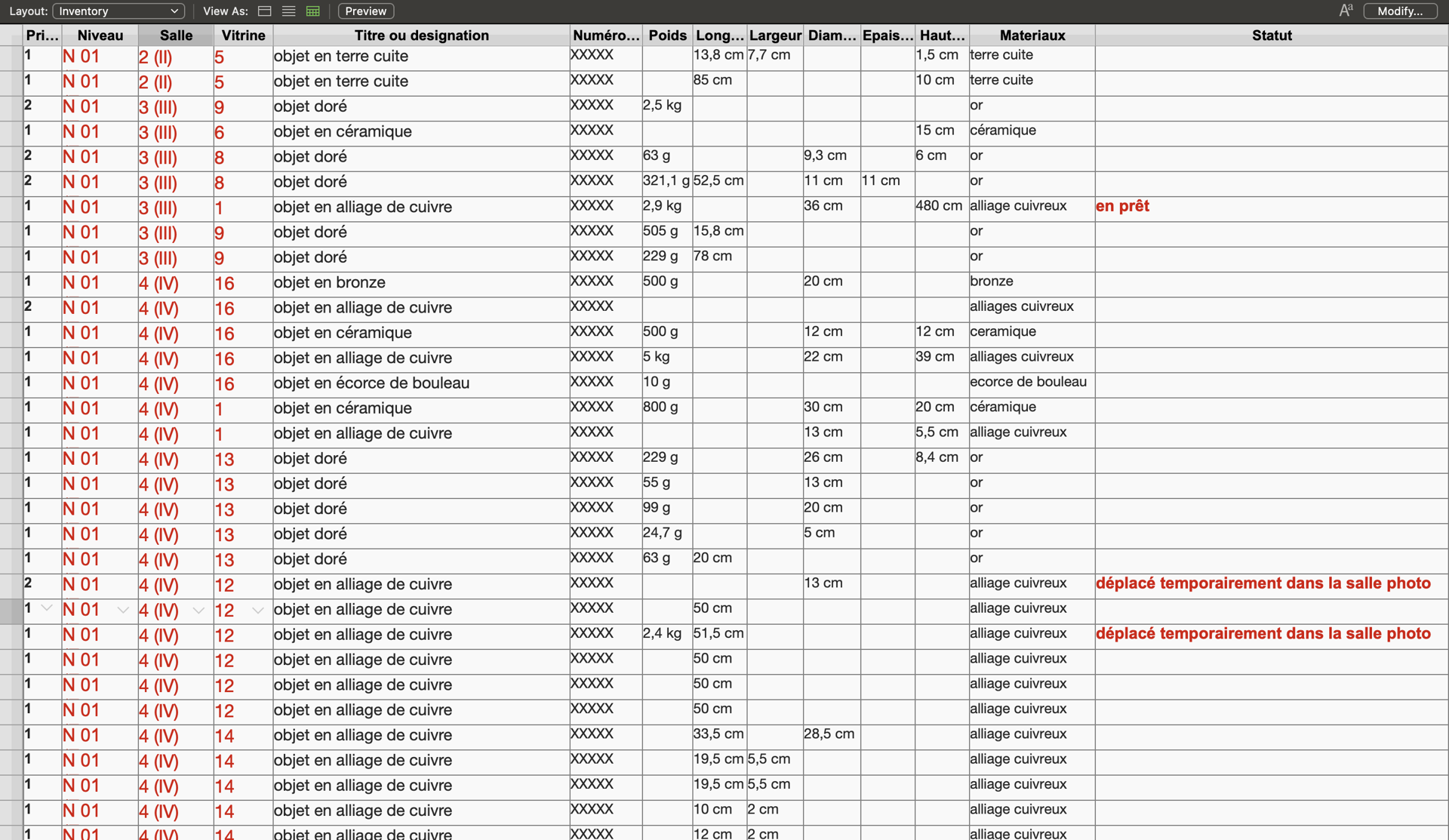
Figure 2 – Sample page of a condensed data layout depicting the overview of all priority objects, sorted by room order. The names and inventory number are masked for security reasons.
Revised Evacuation Database
The custom application created through this study was discussed iteratively through meetings with all personnel related to the DRM of the MAN, both internal management and external parties. In particular, the comments of the local fire services were especially important, for the firemen oversee the actual evacuation process due to their expertise in fire hazards. They determined that the database draft presented, though precise, lacked other information that could facilitate a more efficient evacuation. This is because the firemen may not have the necessary knowledge of the museum, its objects, or heritage conservation to fully comprehend the scope of the DRM process. As such, this database, intended to be a one-stop application for the entire evacuation process, should provide greater detail on the MAN in order to enable external personnel to quickly understand the knowledge needed to safeguard the museum’s objects.
After further consulting the international guidelines, any successful safeguarding plan requires the personnel to not only understand the objects, but also the spaces holistically and individually (ICCROM & UNESCO, 2016). Consequently, several other datasets, in addition to dedicated data layouts, have been added to the database. As an example, an additional layout depicting a section of the museum at-a-glance has been added (Figure 3). This layout provides clarity to evacuation personnel by illustrating the approximate locations of all objects needed for evacuation within a given room on a given floor, with the approximate location indicated on a map. Each bubble indicating an object’s location is clickable and redirects the user to the corresponding data layout detailing the object. In doing so, firemen can understand the museum’s spaces and locations at large, and to plan to evacuate multiple nearby objects in one attempt. This corrects an aspect that was not considered previously, to provide an overview of multiple objects in relation to the spaces.
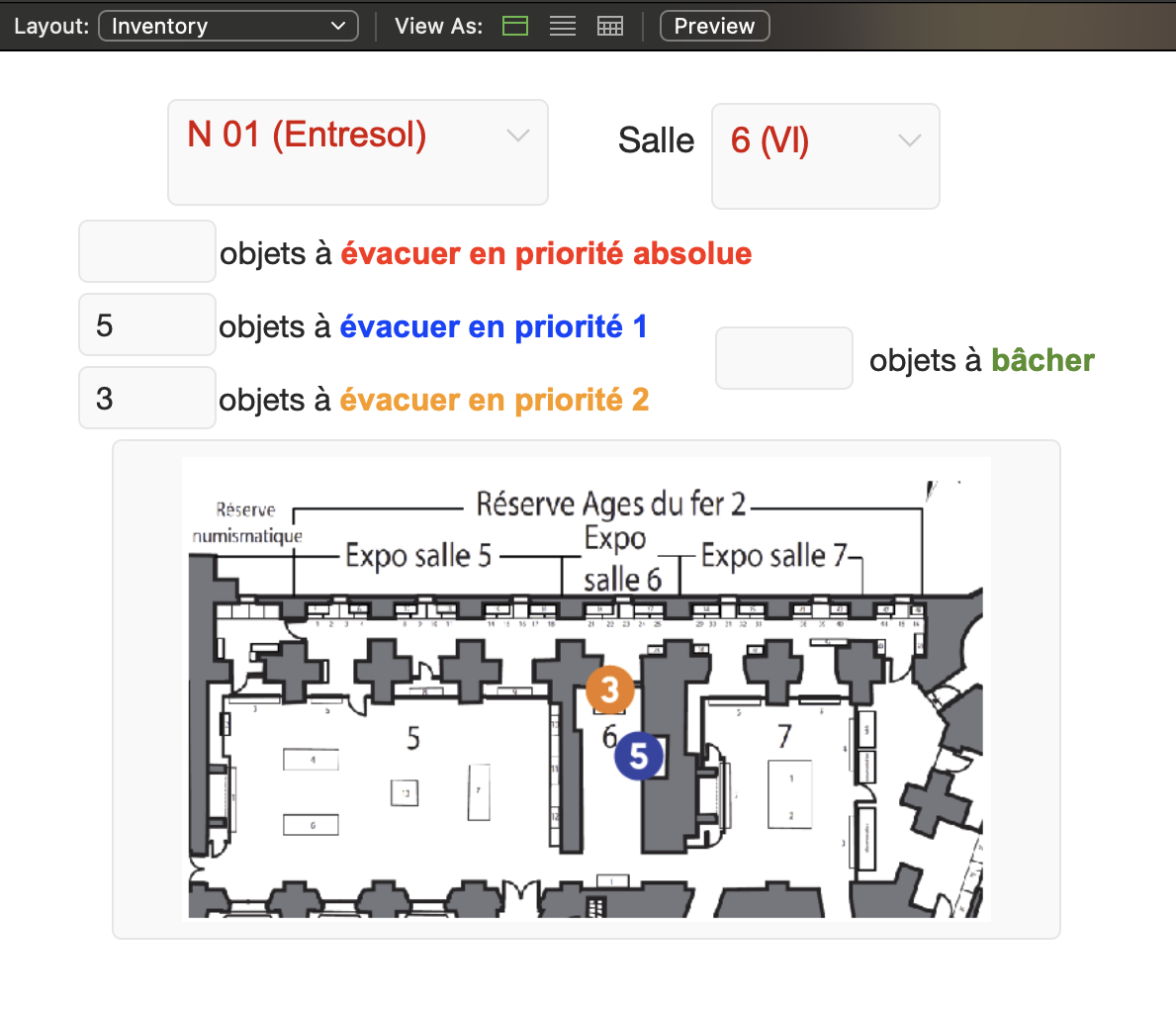
Figure 3 – Data layout depicting the approximate locations of priority objects within a given area of the MAN. The priority level for the objects is colour-coded for easier grouping.
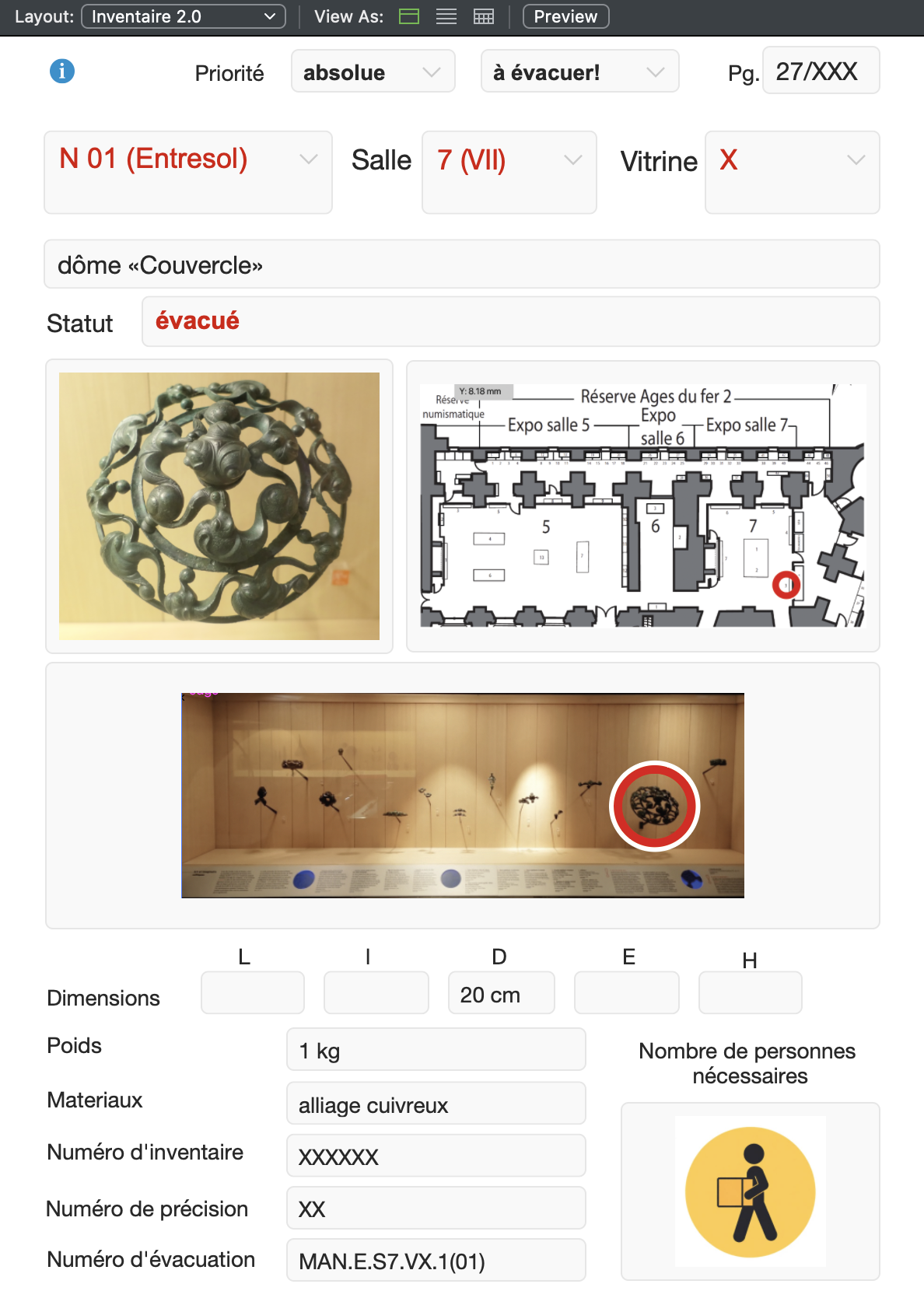
Figure 4 – Revised data layout for each object with additional functions and explanations added to enhance its usability.
The layout for each object was also updated to include additional features (Figure 4), such as buttons to redirect users back to the at-a-glance view of the museum. An additional field to assign a unique identifier to an object during evacuation is also added. As recommended by ICCROM & UNESCO (2016), this ensures the object and its reallocation is tracked, documented, and retrievable in the aftermath of a disaster. Since the MAN has not formulated a numbering system, this study proposes an identifier that encodes an object’s original location, the order in which it was evacuated, and the team that performed the action. For example, the identifier MAN.E.S7.VX.1(01) indicates that the object is from the MAN, on the Entresol level [E], in room 7 [S7], inside showcase X [VX], and that it was the first object retrieved [1], with the suffix (01) denoting the initials of the evacuation team. This structure is intended to ensure that each evacuation is clearly understandable, and to allow for post‑disaster evaluation of the DRM strategy.
Other datasets have also been added to the database in an effort to increase the comprehensiveness of the custom app. Contact information of all relevant personnel, locations of on-site fire safety equipment, additional pages to input in detail any incidents during the evacuation, and a glossary to explain the information presented in this application have been added to the database application to increase its functionality beyond detailing object information. The software supports this via the modifiable ontological model that allows datasets to be interlinked, ensuring the accessibility of the application and ease for retrieving the corresponding data between the multiple layouts (Figure 5).
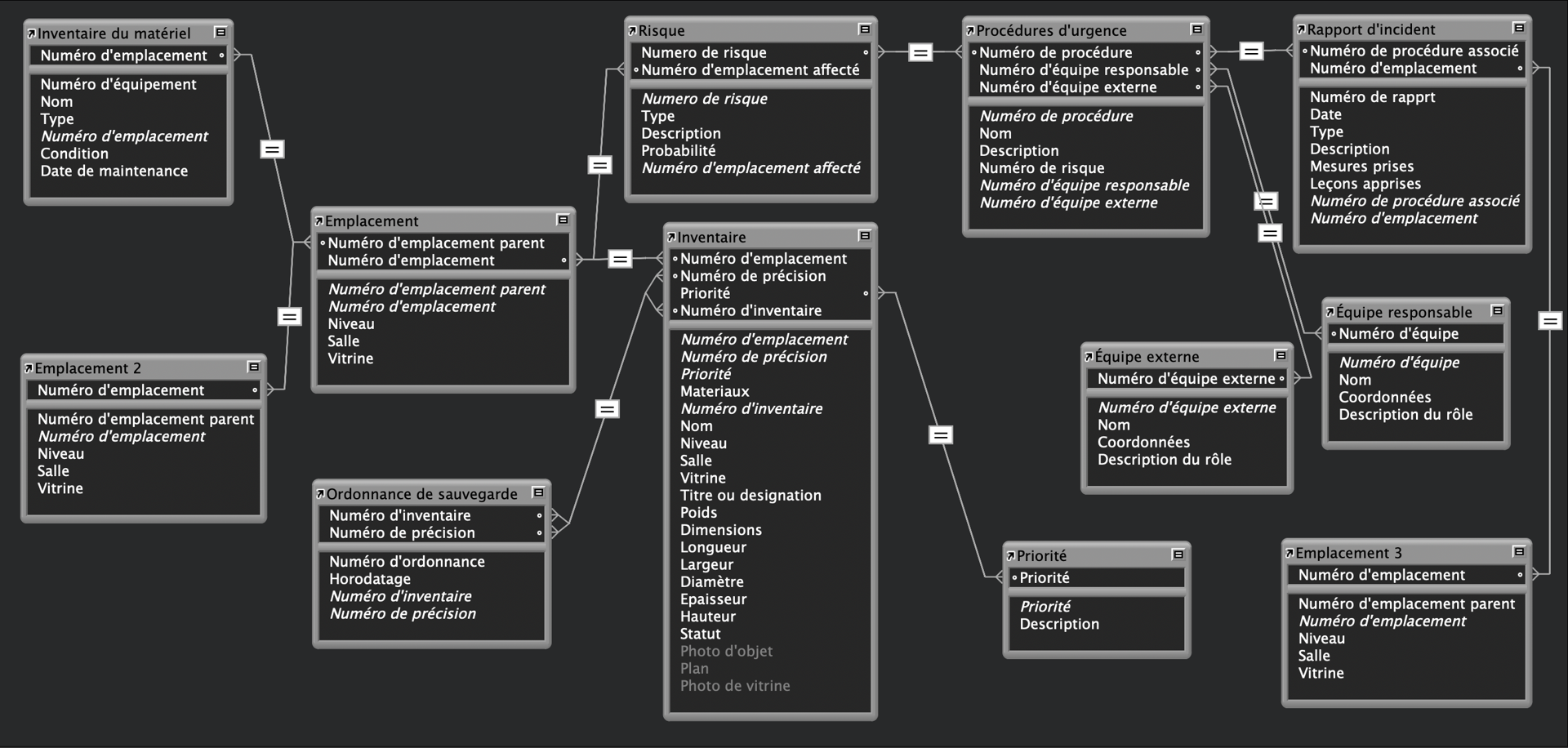
Figure 5 – The ontological model defines relationships between the datasets, linked via common keys between data fields, enabling the same data to be simultaneously edited and presented across layouts.
Not only did the result of this revised database enable the fire services to gain a more in-depth understanding of the MAN, but the museum’s own curators were also able to benefit from the application to gain a more holistic understanding of the priority objects and their conditions under the DRM plan. The museum map depicted within the database application enabled curators to realise that certain objects designated for evacuation are placed at a distance to fire exits, meaning a longer time is needed to evacuate those objects. For this reason, objects have been reallocated to locations closer to fire exits, especially those in the archives or storage rooms, so that they are prepared well in advance of any potential disaster scenarios. This decreases the time needed to retrieve them and increases the chances of a successful evacuation.
As for objects already on exhibition, reallocation is limited by the number of available showcases and the potential disruption to the museum’s archaeological narrative. Additionally, several objects may be currently located in the same room but encased in different showcases, which creates an unnecessary burden for the firemen tasked with opening them. Nonetheless, the evacuation database enables the curators to factor these into account in deciding the new placement of objects, as the MAN is currently undergoing major renovations that include the complete alteration of exhibition rooms. This effectively embeds DRM planning into the museum’s ongoing renovation masterplan, ensuring that future displays are arranged to facilitate, rather than hinder, the swift evacuation of artefacts.
Discussion
Through the application of DRM guidelines developed by cultural organisations, this study was able to identify the primary risk of fire, which endangers the MAN’s collections. Considering the museum’s inability to safeguard moveable heritage on-site due to the castle structure, the subsequent risk mitigation efforts, in the form of an evacuation database, transformed the museum’s operational response to fire hazards in several ways. Firstly, the revised application with additional data layouts and mapping features bridges the previously identified knowledge gap between conservation staff and emergency responders, such as providing the firemen with multimodal views of the museum. Secondly, the database analysis acted as a diagnostic tool for spatial management. By visualising the distance between priority objects and fire exits, curators were able to identify and rectify storage areas, resulting in the reallocation of priority objects to more accessible zones. Finally, the iterative design process, informed by direct feedback from stakeholders, demonstrated that the database is not a mere static digital record, but an active decision support system.
Thus, this study demonstrates that a dedicated, visual database can serve as a key element in mitigating disaster risks in museums, which is consistent with the recommendations of cultural organisations on the importance of adequate documentation in DRM (ICCROM & UNESCO, 2016; UNESCO, 2010). By enabling the visualisation of museum spaces and objects in relation to safeguard requirements, the database developed through this study allowed DRM strategies to be incorporated into the operational structure of the MAN to increase its resilience against future disasters. This study can therefore provide a valuable reference for other museums in establishing DRM plans, particularly through its evacuation-oriented strategy for museums housed in historical buildings that may not meet modern moveable heritage storage requirements.
Nonetheless, it is worth noting a limitation within the international guidelines as used in this study. Although they are comprehensive in outlining the steps to enact DRM, the specific technical parts of implementation, such as what digital tools to use, are left entirely to individual institutions. This likely reflects these guidelines’ mission to serve heritage worldwide, and so they are designed to be applicable to any context. This allows museums lacking the means for more comprehensive strategies, such as those in developing regions or conflict zones, to still achieve a baseline standard of preparedness using minimal resources (ICCROM & UNESCO, 2016). Whilst necessary for institutions facing such constraints, these guidelines offer comparatively less direction for museums such as the MAN, which possess the resources to implement a more comprehensive DRM strategy.
Consequently, this study’s usage of FileMaker Pro, selected due to time constraints and lack of specific recommendations from international guidelines, should not be taken as advocating for the software over others. There is a variety of other software that may be more optimal for organising heritage data, such as Arches, a heritage inventory and management platform (Myers et al., 2016), or Omeka S, a content management system for creating and managing digital collections (Rueff, 2024), both of which, as open-source software, avoid the licensing costs and hardware dependence associated with proprietary systems. However, there is a general fragmentation of digital repositories used across heritage and archaeological institutions (Geser et al., 2022), and a lack of studies that compare and evaluate different systems (Hanna, 2024; Huggett et al., 2018), which made a full assessment of the optimal software for an evacuation database difficult to conduct. Regardless of the software used, future moveable heritage DRM planning can nonetheless draw on this study’s key finding, in that a dedicated evacuation database is both useful and necessary.
Future Directions for the Evacuation Database
Looking beyond the present study, several factors point to how the evacuation database should continue to develop as part of the wider DRM strategy. Firstly, it is important to note that the database should not be a static protocol once it has been developed. Renovations, temporary reallocations, and other modifications of both short- and long-term periods can decrease the efficiency of the safeguarding plan, which contributes to the risk of disassociation if left outdated. Threats by other risks could also increase in time. Considering the MAN’s renovation and modification works will continue throughout the decade, adequate changes to an object’s status and location should be reflected in the database in a timely manner, and additional risk assessments and mitigation measures may need to be conducted to counter new risks.
Furthermore, it is crucial to devise the database not as a standalone project, but in coordination with other elements of the DRM strategy to achieve best results (ICCROM & UNESCO, 2016; Wegener, 2024). Although this evacuation database provides the foundational and technical component of DRM, such as object cataloguing, mapping, and record keeping, an equally important factor is the human and organisational aspects during evacuations. Thus, drills putting this database application to use should be tested to ensure its functionality during emergencies, to enable its familiarisation by relevant personnel, and to establish realistic evacuation timeframes under conditions of stress. As such, structured training programmes, defined roles and responsibilities, and iterative testing of evacuation timeframes represent a necessary next step in the MAN’s preparedness phase within DRM.
Moreover, as risk management involves not only the safety of artefacts, but also that of visitors and staff, the database’s future development could also consider how it can incorporate and coordinate with the evacuation of people. For example, as the database’s layouts depict exits that would be used by visitors and evacuation personnel alike, drills should simulate both people and object evacuation concurrently to understand the entire process and functionality of these shared routes. The results of such drills can then be used to update the database, such as in the form of recommended entry and exit points, thereby increasing the database’s capacity to serve as a foundational component of the MAN’s overall DRM strategy. In doing so, the MAN can also gain an additional benefit of engaging with the public by enlisting volunteers to help simulate the evacuation process, which could help ease the general public apathy towards the MAN’s work (MAN, 2017, 2023). Such drills would therefore serve a dual purpose, refining the database’s functionality whilst also fostering greater public understanding of the MAN’s safeguarding efforts.
Conclusion
This research demonstrates that bridging the gap between theoretical DRM frameworks developed by international cultural organisations and the practical realities of cultural institutions is both feasible and essential. Having assessed that the primary risk of the Musée d’Archéologie Nationale is fire, this study highlights that the foundational aspects of the preparedness phase of DRM can be consolidated through developing a dedicated database. By creating a custom application with an ontological model defining the relationship between datasets, this research provides a critical interface between heritage safeguarding and emergency response planning. This database supports all phases of the DRM cycle: before disasters, it enables strategic planning via integrating object information, spatial data, and emergency response plans; during disasters, targeted layouts provide immediate access to evacuation orders, procedures, and relevant contacts; and after disasters, the recorded data aids recovery and evaluation, allowing for critical analysis.
The results at the Musée d’Archéologie Nationale show that a dedicated evacuation database contributes to a more robust long‑term heritage conservation strategy, by improving the ability to safeguard movable heritage within DRM. The lessons learnt through developing this database offer a practical starting point for other museums beginning their DRM planning, providing a blueprint that can be adapted to the diverse operational needs of different institutions. Continuous development of a dedicated emergency database, and testing its abilities in drills in coordination with curators and emergency services as part of a comprehensive DRM strategy, will help cultural institutions housing movable heritage become more disaster resilient in the face of challenging risks, supporting the global imperative to better protect humanity’s heritage.
Acknowledgements
I would like to express my great gratitude to all members of the Musée d’Archéologie Nationale, for giving me the unique opportunity to engage with the museum’s Disaster Risk Management planning.
I also want to thank faculty members in the Department of Archaeology at the University of Bologna and the École Universitaire de Recherche Archaeological Challenges (EUR ArChal) for their assistance and resources.
Finally, I am deeply indebted to my partner for his unwavering love, patience, and support throughout this journey.
Preprint version 3 of this article has been peer-reviewed and recommended by Peer Community In Archaeology (https://doi.org/10.24072/pci.archaeo.101021; Hanna, 2026).
Funding
The author declares that he has received no specific funding for this study.
Conflict of interest disclosure
The author declares that he complies with the PCI rule of having no financial conflicts of interest in relation to the content of the article.
Data, scripts, code, and supplementary information availability
The data, scripts, code, and supplementary information used in this study, such as the FileMaker Pro database file developed, cannot be made publicly available for security reasons, as doing so would disclose the Musée d’Archéologie Nationale’s emergency response protocol. They are also subject to copyright held by the museum.